Stepping into a room with a low ceiling can sometimes feel a bit like you’re wearing a hat that’s a size too small. It’s not just about the physical height, it’s about the entire atmosphere. You want a space that feels open and inviting, not cramped or shadowed. Getting the lighting for low ceilings right is one of the biggest challenges, but it’s also your secret weapon for transforming these rooms. There are so many creative lighting ideas for low ceilings that can make a huge difference, making a room feel much more spacious than it actually is. It’s all about tricking the eye and making smart choices with your fixtures.
Understanding Your Space: Why Low Ceilings Are Tricky
A “low ceiling” typically means anything 8 feet or under. Most modern homes have 9-foot ceilings, so when you’re dealing with an older home or a basement, it can feel like a real design hurdle. The biggest problem with low ceilings is that traditional hanging fixtures like long pendants or large chandeliers can physically block your line of sight. They’ll also make the ceiling feel even closer. You don’t want to feel like you could bump your head, do you? Your goal isn’t just to light the room, it’s to create an illusion of height and openness.
The Power of Flush Mounts and Semi-Flush Mounts
When every inch counts, flush mount and semi-flush mount fixtures are your best friends. They’re designed to stay close to the ceiling, giving you maximum headroom while still providing ample light.
Flush Mount Fixtures for Low Ceilings
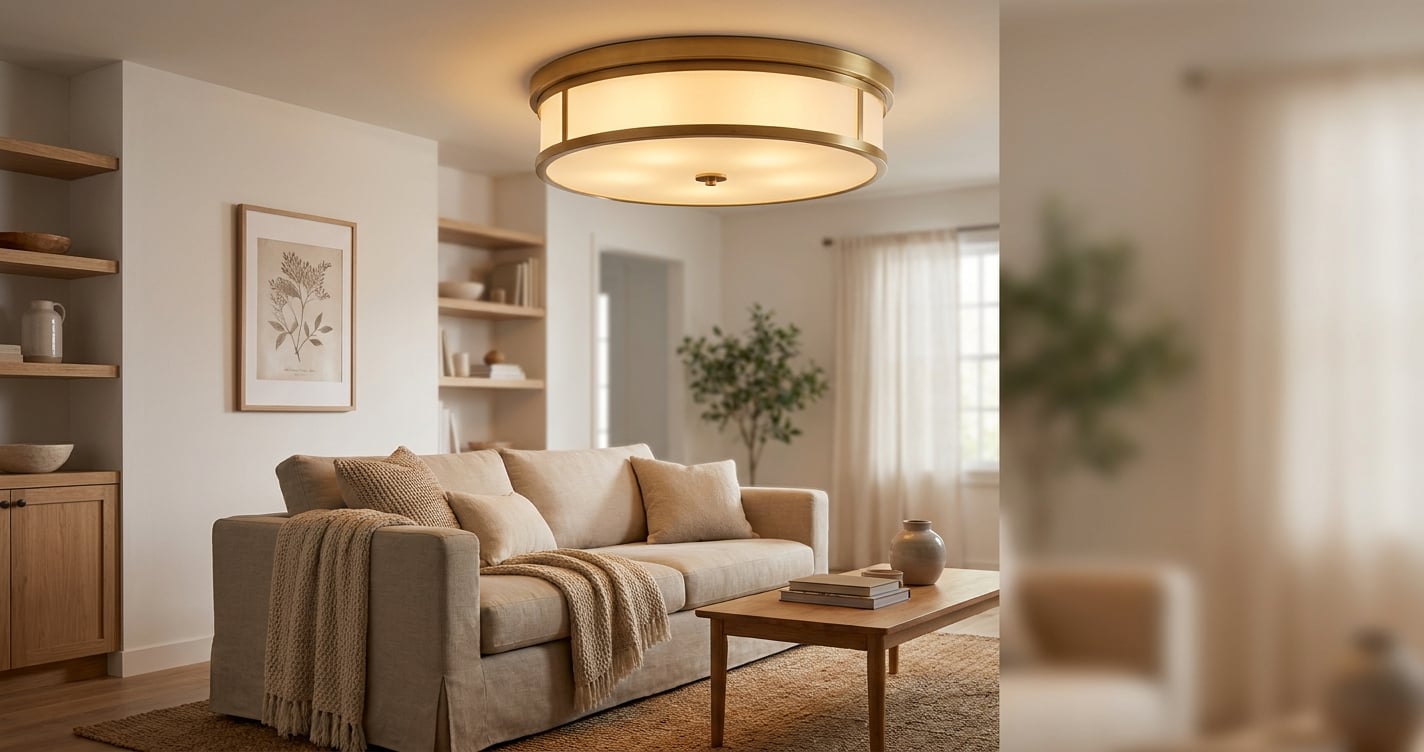
Flush mounts attach directly to the ceiling. They offer a clean, unobtrusive look that won’t visually clutter your space. They’re perfect for general ambient lighting for low ceilings in hallways, kitchens, or bedrooms where you need good, even light without any hanging elements. They’re wonderfully practical.
| Pros | Cons |
|---|---|
| Minimal drop, clean look, good general light | Can feel less decorative, broad light spread, sometimes difficult to change bulbs |
| Unobtrusive, maximizes headroom | Can appear flat if not well-chosen, limited design variety |
Semi-Flush Mount Fixtures for Low Ceilings
Semi-flush mounts hang down just a few inches from the ceiling, usually between 4 to 12 inches. That small gap creates a bit of shadow play, which adds depth and visual interest that a flush mount can’t always provide. They’re a fantastic compromise if you want something a little more decorative than a flush mount but can’t spare the vertical space for a full pendant. They’re great for entryways, dining nooks, or bedrooms.
Recessed Lighting: The Ultimate Space Saver
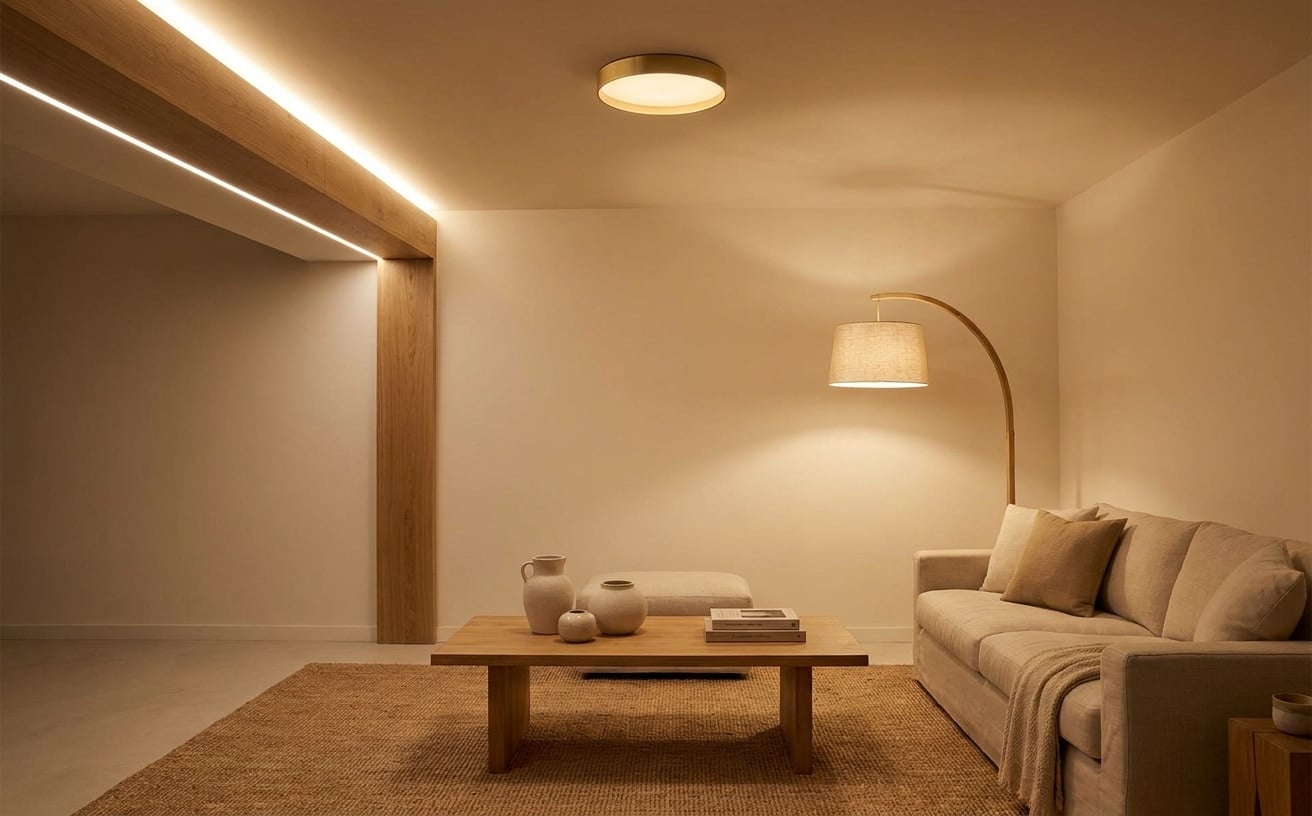
For the ultimate in unobtrusive lighting for low ceilings, you can’t beat recessed lights. These fixtures are installed into the ceiling itself, making them virtually invisible. They provide excellent ambient and task lighting without taking up any visual space at all.
Recessed lighting is incredibly versatile. You can use a grid pattern to provide overall illumination, or strategically place them to wash walls with light, which can make a room feel taller. Gimbal trims let you direct the light exactly where you need it, highlighting artwork or architectural features. In my experience, the biggest mistake people make with recessed lighting is using too many or spacing them too closely. You want even light, not a runway effect.
If you’re thinking about installing new recessed lighting or changing any existing wiring, I’d strongly recommend hiring a licensed electrician in your area. It’s worth every penny for peace of mind and to ensure everything is up to code.
Expert Tip: When planning recessed lights, consider their “wash” or spread. For an 8-foot ceiling, 4-inch or 6-inch cans placed 4-6 feet apart generally provide good overlapping ambient light, preventing dark spots without over-lighting the space.
Placement Tips for Recessed Lighting for Low Ceilings
To achieve the best effect in a room with a low ceiling, consider placing recessed lights about 18-24 inches away from walls. This creates a “wall wash” effect that draws the eye upwards and makes the ceiling feel higher. Avoid placing them directly in the center of the room in a single line; a balanced grid or perimeter approach works much better.
Wall Sconces and Directional Lighting: Drawing the Eye Up
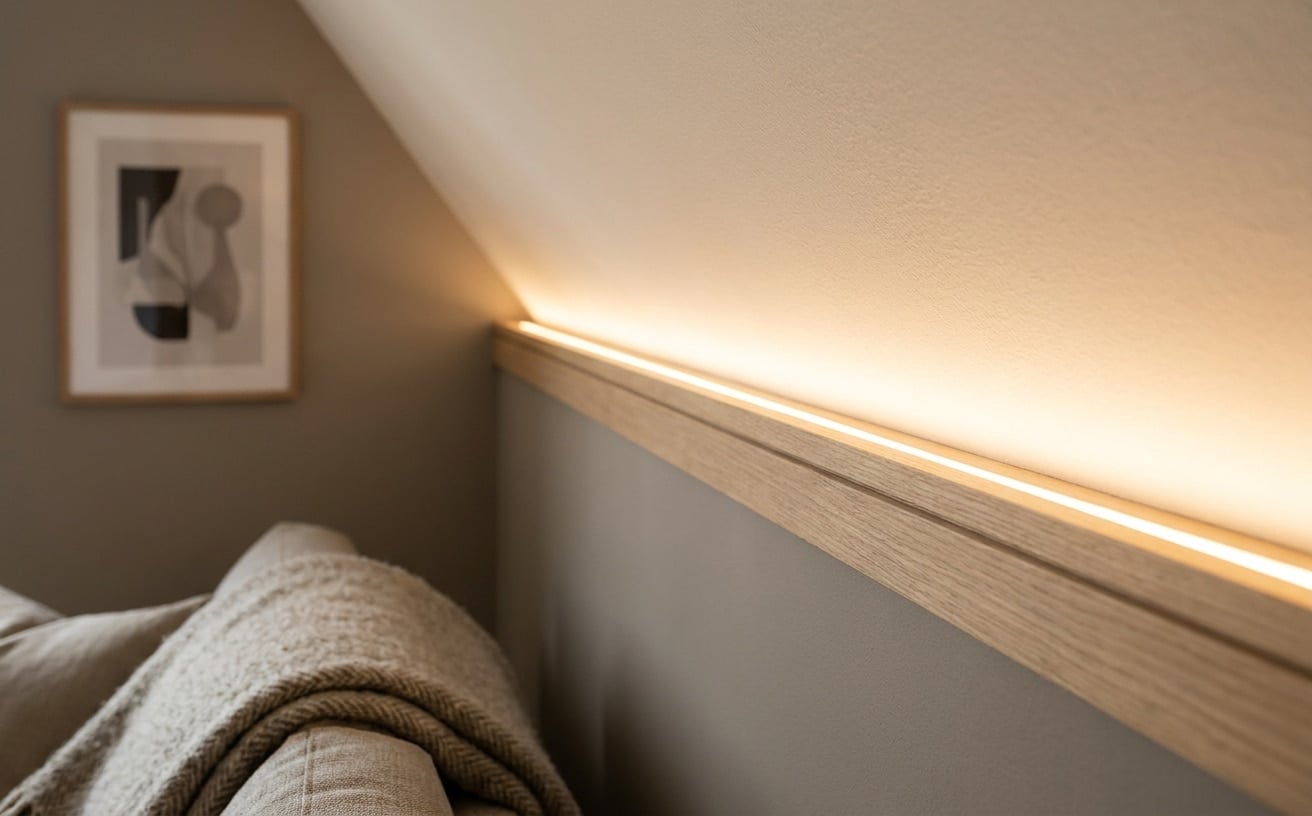
Don’t forget your walls when you’re brainstorming creative lighting ideas for low ceilings. Wall sconces are fantastic for providing ambient light without taking up any ceiling height at all. They can add a layer of soft illumination, making a room feel cozier and more inviting. Look for sconces that direct light upwards (an “uplight” effect) or both up and down. This vertical light pattern helps to visually stretch the walls and make the ceiling seem higher.
Another great trick is using any light source that points upwards. This could be a floor lamp with an upward-facing bowl or even strategically placed accent lights. Bouncing light off the ceiling is one of the most effective ways to create an illusion of height, especially with smart lighting for low ceilings.
Creative Accent Lighting and Layering
Layering different types of light is crucial in any room, but it’s especially important in spaces with low ceilings. You’ll want a mix of ambient, task, and accent lighting to create depth and interest.
Track lighting has evolved a lot. Modern track systems are sleek and can be very effective for low ceilings because they don’t hang down far. You can direct individual heads to illuminate different areas, giving you incredible flexibility. This is a great way to add focused task lighting or highlight decor without bulky fixtures.
Floor lamps and table lamps are also your friends. They add a personal touch and can provide excellent task lighting for reading or hobbies. They also help distribute light at various levels, which prevents the room from feeling flat. If you’re shopping for floor or table lamps, our portable lighting collection has a range of options at different price points. These aren’t just for task work; they can also contribute to the overall ambient glow and create a more comfortable atmosphere.
Maximizing the Illusion: Paint, Mirrors, and Other Tricks
While we’re focused on lighting, it’s worth mentioning that other design elements can amplify the effect of your creative lighting ideas for low ceilings. Painting your ceiling a lighter color than your walls, or even a high-gloss white, can make it appear to recede. The gloss reflects light, adding to that open, airy feeling. Large mirrors strategically placed can also work wonders, reflecting light and making the room feel twice its size.
Keep your furniture scale appropriate for the room. Don’t overcrowd a small, low-ceiling space with oversized pieces, as this will only emphasize the lack of height. Also, consider hanging curtains or drapes as high as possible, even right up to the ceiling line. This draws the eye upwards and makes the windows (and therefore the walls) appear taller than they are. All these elements work together to create a cohesive, spacious feel.
Frequently Asked Questions
What’s the best type of lighting for a room with an 8-foot ceiling?
For an 8-foot ceiling, flush mount, semi-flush mount, and recessed lights are your top choices. Wall sconces also work exceptionally well to add light without encroaching on headroom. The goal is to keep fixtures close to the ceiling or on the walls.
How do I choose the right size flush mount for a small room?
A good rule of thumb for general ambient lighting is to add the room’s length and width in feet, then use that number in inches for the fixture’s diameter. For example, a 10’x12′ room needs a fixture around 22 inches in diameter (10+12=22).
Can I use a chandelier in a room with a low ceiling?
Generally, it’s best to avoid traditional chandeliers in rooms with low ceilings because they hang down too far. However, you can look for “low-profile” or “ceiling hugger” chandeliers that have a very short drop, usually less than 12-18 inches total. Always ensure there’s at least 7 feet of clearance from the floor to the bottom of the fixture for safety and comfort.
Should I use warm or cool light in a low-ceiling room?
Warm light, typically in the 2700K-3000K range, is usually more inviting and creates a cozy, comfortable feel. Cool light (4000K+) can make a room feel stark or like an office space, which might emphasize the low ceiling and make it feel less welcoming.
Low ceilings don’t have to be a design limitation. With the right lighting for low ceilings and a few clever design tricks, you can create a space that feels open, airy, and full of style. We’re confident you’ll find the perfect pieces to brighten your home and maximize every inch. Feel free to browse our full collection to discover your next favorite fixture.