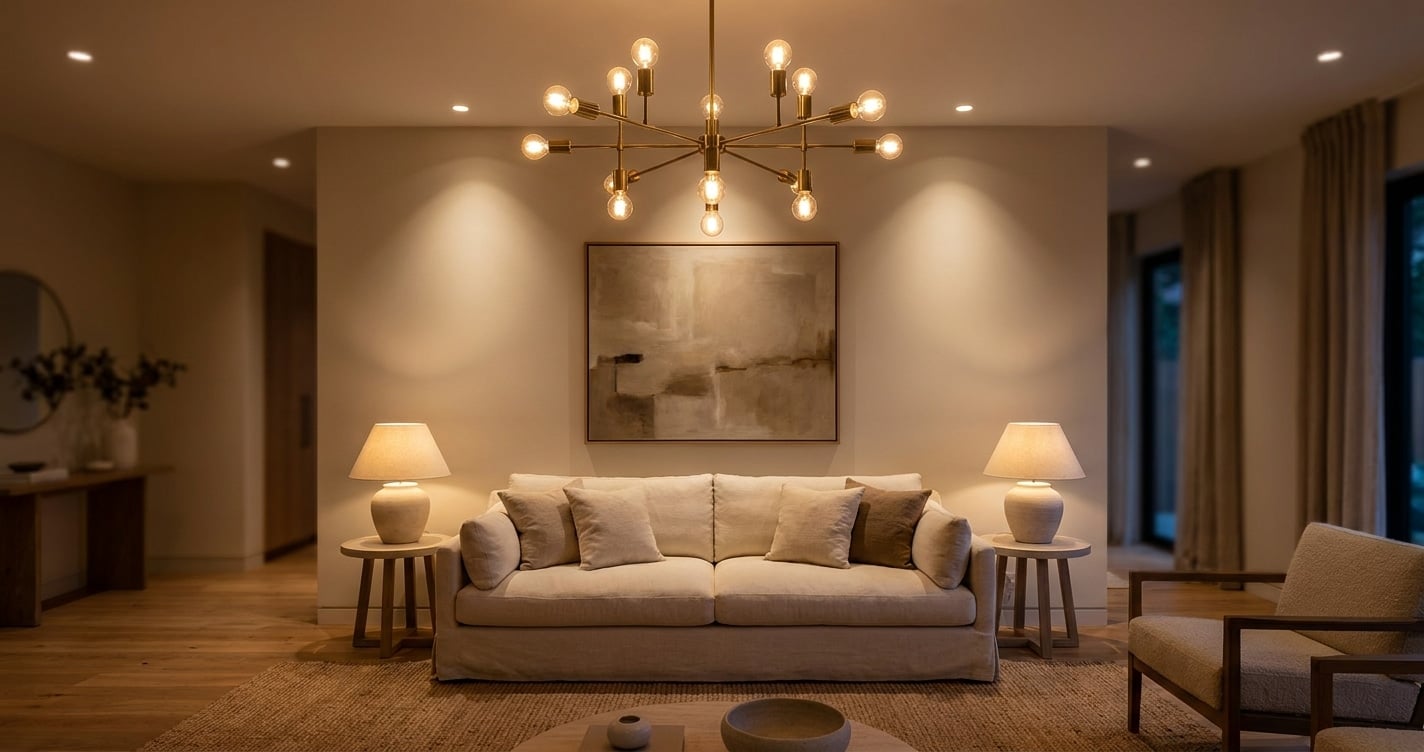
Stepping into the lighting aisle these days can feel like navigating a maze, doesn’t it? Gone are the simple days of just grabbing a 60-watt bulb. Now, you’re faced with an alphabet soup of options: LED, incandescent, halogen. It’s a lot to take in, especially when you’re trying to figure out which bulb will truly light up your home the way you envision it. You want something that looks good, performs well, and won’t break the bank on your energy bill. The good news is, understanding the key differences between LED vs incandescent vs halogen can make all the difference, helping you confidently choose the perfect light for every fixture.
The Classic Glow: Incandescent Bulbs
For generations, incandescent bulbs were the standard. They work by heating a tiny wire filament until it glows, creating that warm, familiar light we’ve all grown up with. There’s a certain nostalgia and comfort in their soft, yellow-ish glow, and they’re usually quite inexpensive to buy upfront. However, their days are largely numbered due to their inefficiency. Most of the energy they use gets converted into heat, not light, which means they’re not very kind to your electricity bill. Many types aren’t even made anymore.
| Pros | Cons |
|---|---|
| Warm, familiar light | Very inefficient, high energy use |
| Low upfront cost | Short lifespan (around 750-1,000 hours) |
| Excellent color rendering (CRI 100) | Produces a lot of heat |
| Instant on | Limited availability now |
A Brighter Incandescent: Halogen Bulbs
Halogen bulbs are essentially a more efficient version of the incandescent. They still use a filament, but it’s encased in a quartz capsule filled with halogen gas. This allows the filament to burn hotter, producing a brighter, whiter light and lasting a bit longer than traditional incandescents. They’re often found in task lighting, like under-cabinet lights or track lighting, where a crisp, focused beam is desired. You’ll also find them in some floodlight applications.
| Pros | Cons |
|---|---|
| Brighter, whiter light than standard incandescent | Still less efficient than LEDs, moderate energy use |
| Good color rendering (CRI 100) | Shorter lifespan than LEDs (around 2,000-4,000 hours) |
| Instant on | Can get very hot, requires careful handling |
| Dimmable | Higher upfront cost than incandescents |
Expert Tip: Halogen bulbs often get very hot. Avoid touching them directly with your bare hands, as oils from your skin can create hotspots and reduce their lifespan. Always use a cloth or glove when installing.
The Modern Marvel: LED Bulbs
Light Emitting Diodes, or LEDs, are the undisputed champions of modern lighting. They don’t have a filament; instead, they pass current through a semiconductor to produce light. This process is incredibly efficient, converting almost all energy into light rather than heat. This means significantly lower electricity bills and a much longer lifespan. They’re also incredibly versatile, coming in a vast range of color temperatures and brightness levels. If you’re wondering which bulb is the most cost-effective long-term, it’s definitely an LED.
| Pros | Cons |
|---|---|
| Extremely energy efficient, low electricity costs | Higher upfront cost |
| Exceptionally long lifespan (25,000-50,000+ hours) | Early models sometimes had poor dimming performance |
| Wide range of color temperatures and brightness | Can be sensitive to heat, affecting lifespan in enclosed fixtures |
| Durable and cool to the touch | Some cheaper brands might have inconsistent color |
Decoding Bulb Terminology: Which Bulb is Right for You?
When you’re comparing LED vs incandescent vs halogen, you’ll encounter a few key terms on the packaging. Understanding these is crucial for choosing which bulb will truly meet your lighting needs. Don’t just look at watts anymore; those are about energy consumption, not brightness.
Lumens: How Bright is That Bulb?
This is the most important number for brightness. Lumens tell you how much light a bulb puts out, regardless of its energy source.
* For a soft ambient glow in a small hallway, you might want 400-600 lumens.
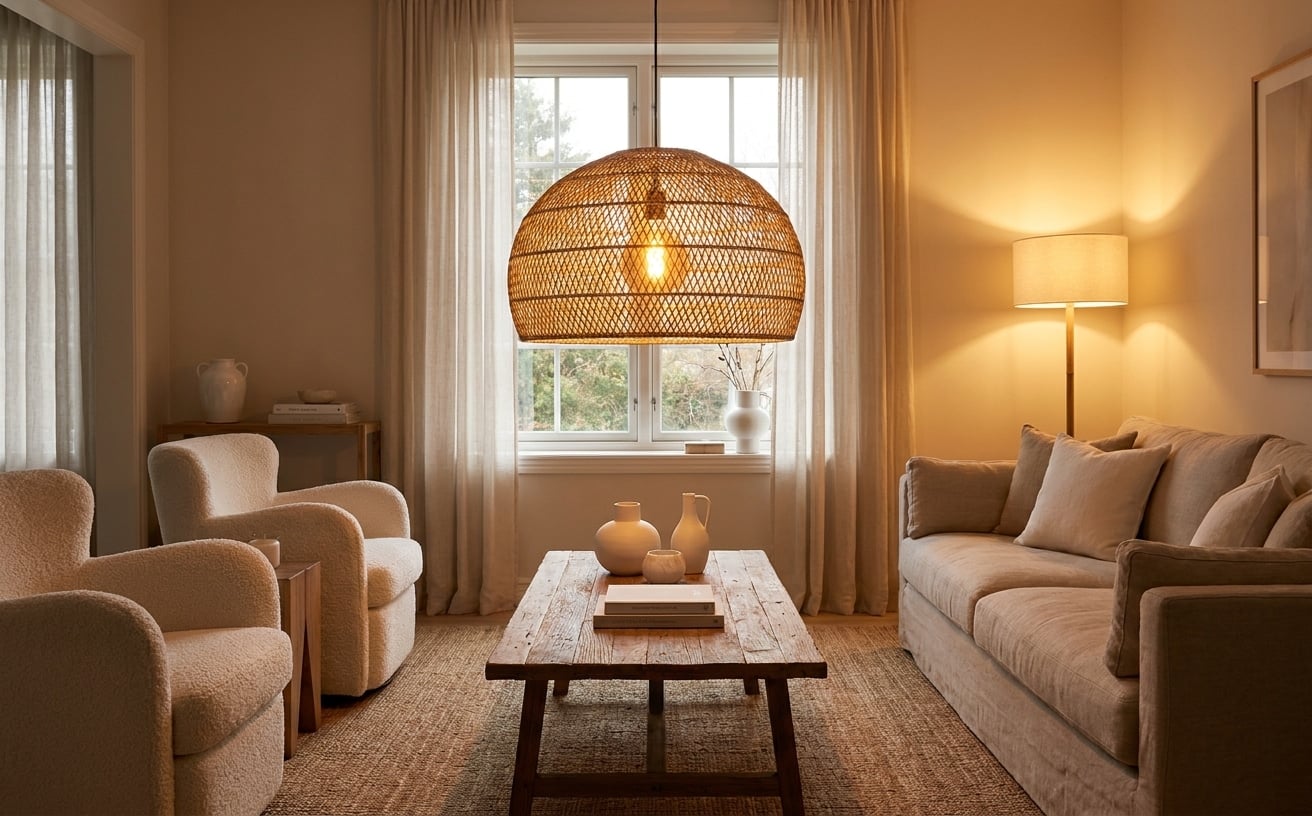
* A good general purpose bulb for a living room lamp is often 800-1,000 lumens.
* For task lighting in a kitchen or a bright vanity light, you could go for 1,100-1,600 lumens.
Always compare lumens, not just the old “wattage equivalent” on the LED box.
Color Temperature (Kelvin): Setting the Mood
Color temperature, measured in Kelvin (K), describes the hue of the light.
* Warm White (2700K-3000K): This is the cozy, yellowish light similar to an incandescent bulb. It’s great for bedrooms, living rooms, and dining areas where you want a relaxed, inviting atmosphere.
* Cool White / Bright White (3500K-4500K): A more neutral, crisp white light. It’s excellent for kitchens, bathrooms, and home offices where you need good visibility for tasks.
* Daylight (5000K-6500K): A very bright, bluish-white light that mimics natural daylight. Often used in garages, workshops, or utility areas where maximum clarity is needed. I’ve seen this mistake a lot where people put daylight bulbs in a cozy living room, and it just feels stark.
Color Rendering Index (CRI): Seeing True Colors
CRI measures how accurately a light source reveals the true colors of objects compared to natural sunlight. A CRI of 100 is perfect.
* Incandescent and halogen bulbs naturally have a CRI of 100.
* Good quality LED bulbs will have a CRI of 80 or higher. For areas where color accuracy matters, like kitchens, bathrooms, or art display lighting, aim for CRI 90+.
Dimmability: Setting the Scene
Not all LED bulbs are dimmable, and those that are require a compatible dimmer switch. If you plan to adjust the light level, always check the bulb’s packaging and ensure your dimmer switch is rated for LED use. Using a non-LED dimmer with LED bulbs can cause flickering, buzzing, or even damage the bulb.
Choosing Which Bulb for Different Rooms and Fixtures
Deciding which bulb to put where really comes down to the function of the room and the type of fixture.
General Ambient Lighting (Living Rooms, Bedrooms, Dining Rooms)
For these spaces, you typically want a warm, inviting glow.
* LED (2700K-3000K, 800-1000 lumens): This is your best bet. Look for dimmable options to adjust the mood. They’ll save you a lot on energy.
* Incandescent/Halogen: While they offer that traditional warmth, their energy inefficiency makes them a less practical choice for everyday use in primary rooms.
Task Lighting (Kitchens, Home Offices, Reading Nooks)
Here, you need clear, focused light to perform tasks without eye strain.
* LED (3500K-4500K, 1100-1600 lumens): Perfect for under-cabinet lighting, desk lamps, or reading lamps. A higher CRI (90+) is a great bonus for accurate color perception.
* Halogen: Still a decent option for specific task lights, especially if you prefer that intense, focused beam and don’t mind the heat output.
Bathrooms and Vanities
Good, even lighting is key for grooming tasks. You want light that’s bright but not harsh, and that provides accurate color rendering.
* LED (3000K-4000K, 800-1100 lumens per bulb): Choose bulbs with a high CRI (90+) to ensure you see your true reflection. For vanity strips, make sure the light is diffused and even.
Recessed Lighting and Track Lighting
These fixtures are often designed for directional light, whether for accenting artwork or providing general illumination.
* LED PAR/BR Bulbs: These are specifically designed to fit recessed cans and track light fixtures, offering excellent beam control and efficiency. Match the beam angle to your need: a narrower beam for accent lighting, a wider beam for general wash.
Chandeliers and Decorative Fixtures
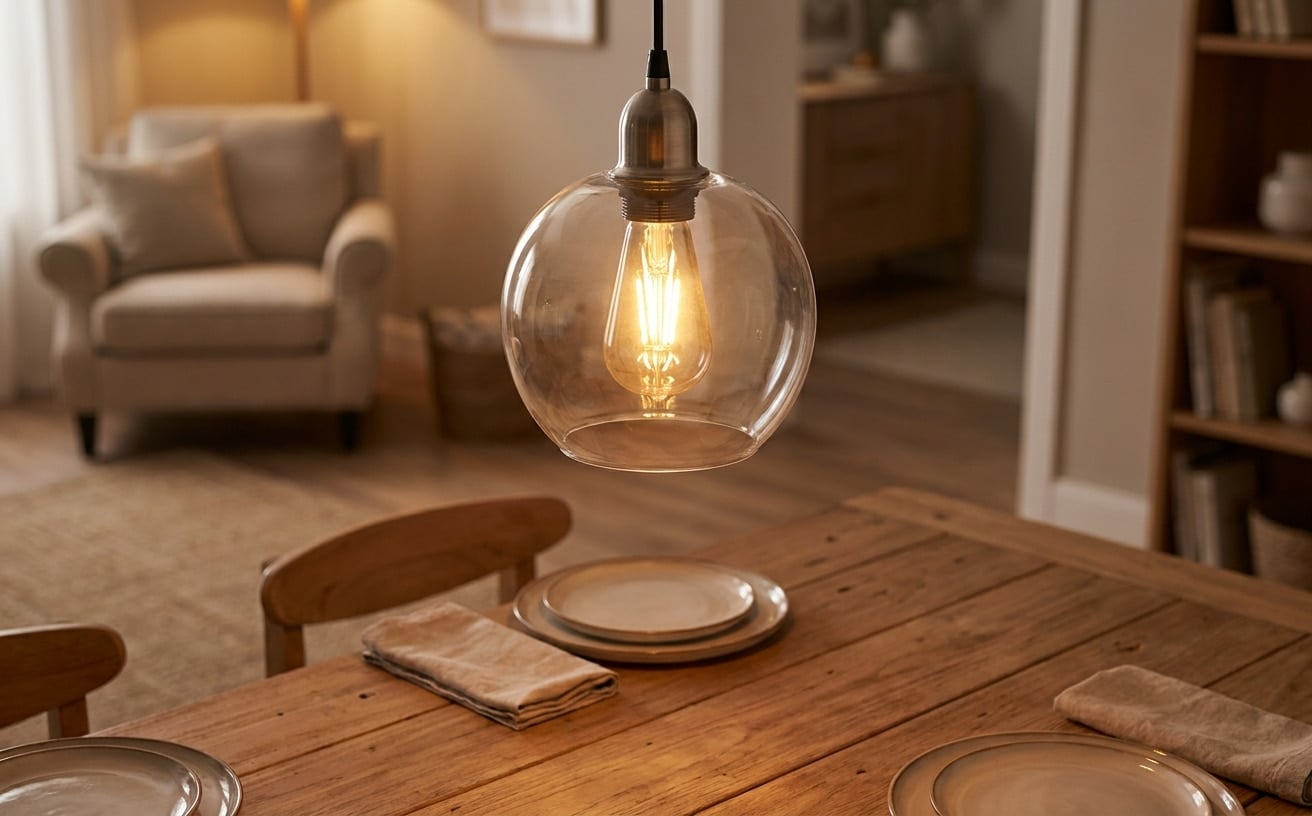
Many decorative fixtures use candelabra or torpedo-shaped bulbs.
* LED Candelabra Bulbs: They now come in a huge array of styles, including clear glass with visible filaments that mimic the look of traditional incandescents, but with all the LED benefits. If you’re shopping for a new chandelier, our decorative lighting collection has a range of options at different price points, and they’re almost always designed to take LED bulbs.
Which Bulb for Outdoor Lighting?
Outdoor lighting needs to be durable and often bright.
* LED (3000K-5000K, higher lumens for security): LEDs are ideal for outdoor use because they’re durable, energy-efficient (great for all-night use), and perform well in colder temperatures. Look for bulbs rated for outdoor or damp locations.
Making the Switch to LED: Practical Advice
Transitioning your home to LED lighting isn’t just about unscrewing one bulb and screwing in another. Sometimes, it takes a little more thought.
Check Your Fixtures
While most fixtures can accommodate LED bulbs, some older enclosed fixtures might trap heat, potentially shortening an LED’s lifespan. Always check the bulb’s specifications for suitability in enclosed fixtures. For anything involving new wiring, moving existing fixtures, or installing heavy statement pieces like large chandeliers (anything over 10 pounds), I’d strongly recommend hiring a licensed electrician in your area. It’s worth every penny for peace of mind and safety.
Start Small
You don’t have to replace every bulb in your home at once. Start with the lights you use most often, like in your kitchen or living room, where you’ll see the biggest energy savings. Then, gradually replace others as your incandescent or halogen bulbs burn out.
Don’t Forget Dimmer Switches
As mentioned, if you have dimmers, you’ll likely need to upgrade them to be compatible with LED technology. Modern LED-compatible dimmers ensure smooth, flicker-free dimming across the entire range.
Frequently Asked Questions
Are LED bulbs really worth the higher upfront cost?
Yes, absolutely. While LED bulbs cost more initially, their energy efficiency means they use significantly less electricity, and their much longer lifespan means you won’t replace them for years, sometimes even decades. The savings on energy bills and replacement costs quickly make up for the initial investment.
Can I mix different types of bulbs in one room?
Technically, yes, but it’s generally not recommended for primary lighting. Mixing incandescent, halogen, and LED bulbs can create a visually disjointed look due to differences in color temperature and light quality. For a cohesive and aesthetically pleasing space, try to stick to one type of bulb, or at least consistent color temperatures.
Do LED bulbs attract bugs less than other bulbs?
Yes, they often do. Incandescent and halogen bulbs emit a broader spectrum of light, including UV and infrared, which can attract insects. LEDs typically emit a much narrower spectrum, with less heat and very little to no UV light, making them less appealing to bugs.
How do I know which bulb wattage equivalent to choose for an LED?
Don’t focus on “wattage equivalent” too much. Instead, look at the lumen output. If you used to buy a 60-watt incandescent, look for an LED bulb that produces around 800 lumens. For a 100-watt equivalent, aim for about 1600 lumens. This will give you the same brightness without guessing.
Choosing the right bulb for your home doesn’t have to be overwhelming. By understanding the basics of LED vs incandescent vs halogen, and knowing what lumens and color temperature mean for your space, you’re well on your way to creating beautifully lit rooms. We’re here to help if you have more questions or want to explore different lighting options for your home.