Getting the lighting right in a kitchen can feel like a huge puzzle. You’re not just trying to make the room bright; you need functional light for chopping veggies, atmospheric light for entertaining, and everything in between. It’s a tall order, and I’ve seen this go wrong when folks only think about one type of fixture. Knowing how to choose kitchen lighting for your space means layering different kinds of illumination. Let’s break down how to create a perfect plan for your kitchen lighting, touching on under cabinet, island, and ambient options.
The Layers of Kitchen Lighting
Think of your kitchen lighting in three distinct layers: ambient, task, and accent. Each has its own job, and when you combine them thoughtfully, you’ll create a space that’s both beautiful and practical. You wouldn’t rely on just one type of light in any other room, and the kitchen is no different. It’s truly the workhorse of the home, so its lighting needs to work hard too.
Ambient Lighting: The Overall Glow
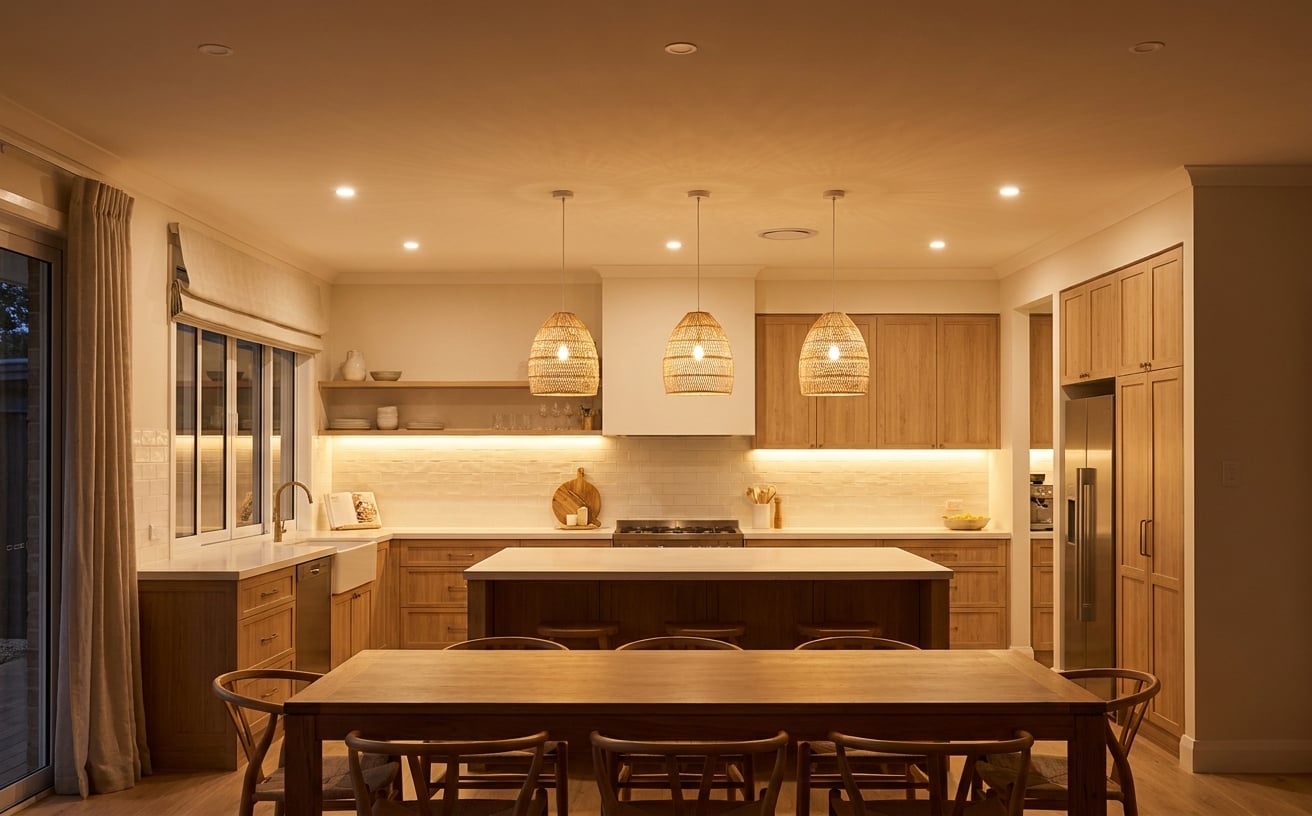
Ambient lighting is your kitchen’s general light, the main source that illuminates the whole room. It’s what keeps you from bumping into things and sets the overall mood. You’ll often find recessed lights, flush mounts, or even a statement chandelier serving this purpose.
- Recessed Lighting: These are classics for a reason. They offer clean, unobtrusive light. For a standard 8-foot ceiling, you’ll typically want 4-inch or 6-inch cans, spaced about 4 to 6 feet apart. Keep them about 2 feet out from your upper cabinets or walls to wash the perimeter evenly. Don’t forget, you’ll need enough lumens to properly light your space; a good rule of thumb is 20-40 lumens per square foot for ambient kitchen lighting.
- Flush Mounts and Semi-Flush Mounts: If your kitchen has lower ceilings (under 8 feet), recessed lights might not be an option or you might prefer a fixture that adds a bit more design flair. Flush or semi-flush mounts can provide excellent general illumination without taking up too much vertical space. They’re also great for smaller kitchens where a large pendant might feel overwhelming.
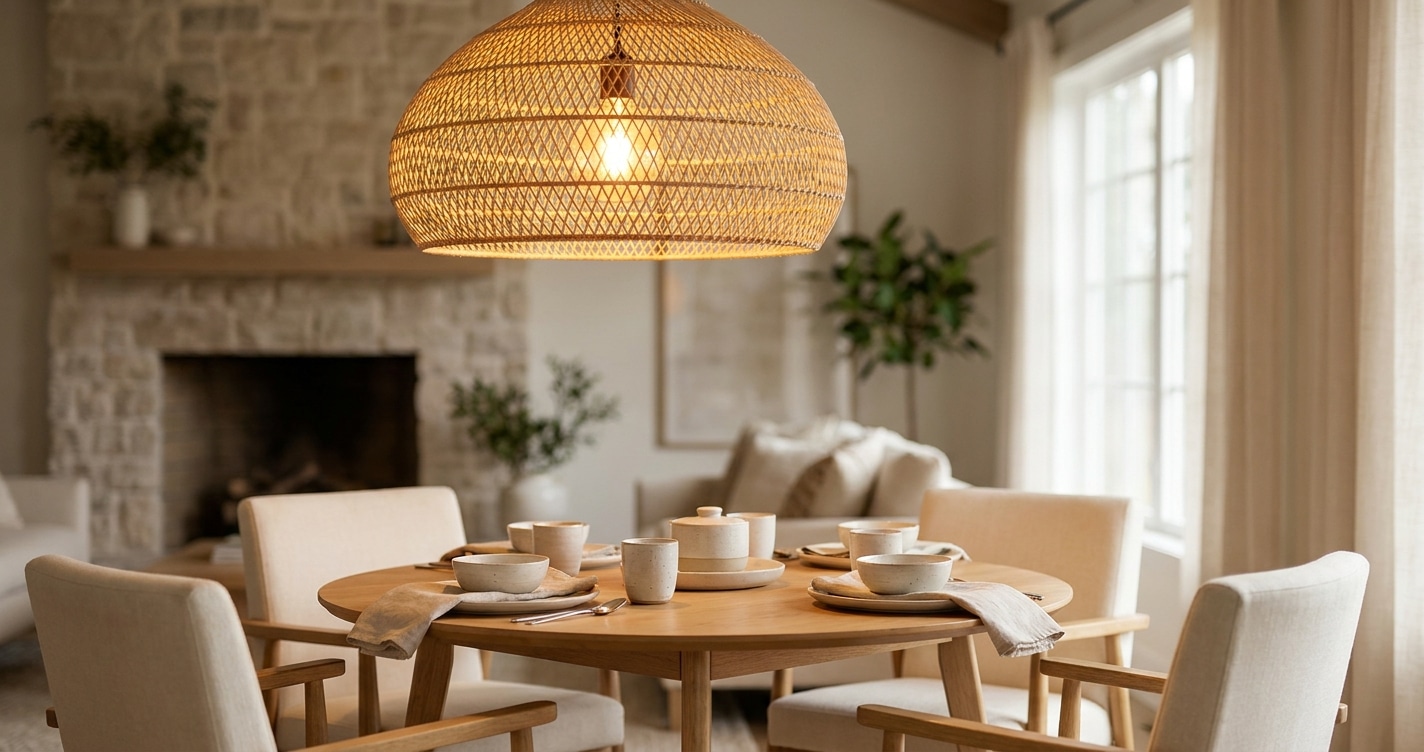
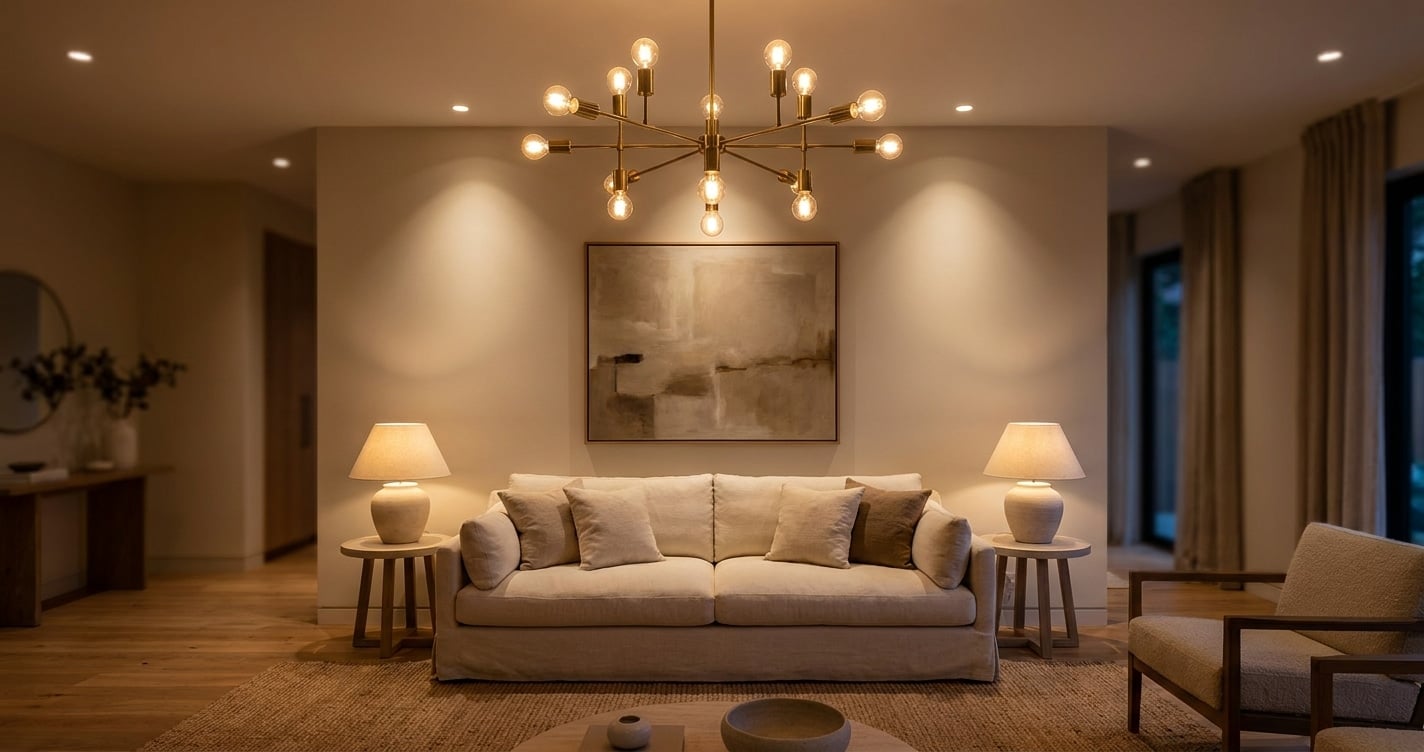
- Chandeliers: In an open-concept kitchen where your dining area is integrated, a chandelier over the table can provide beautiful ambient light and define the eating zone. Just make sure it’s sized appropriately for the table and room.
Expert Tip: Always put your ambient kitchen lighting on a dimmer switch. It’s an absolute game-changer for flexibility, letting you brighten things up for cleaning or dim them down for a relaxed evening.
Task Lighting: Illuminating Your Workspace
This is where the real work happens. Task lighting focuses light exactly where you need it for specific activities like chopping, reading recipes, or washing dishes. It’s critical for safety and efficiency.
Under Cabinet Lighting: A Must-Have
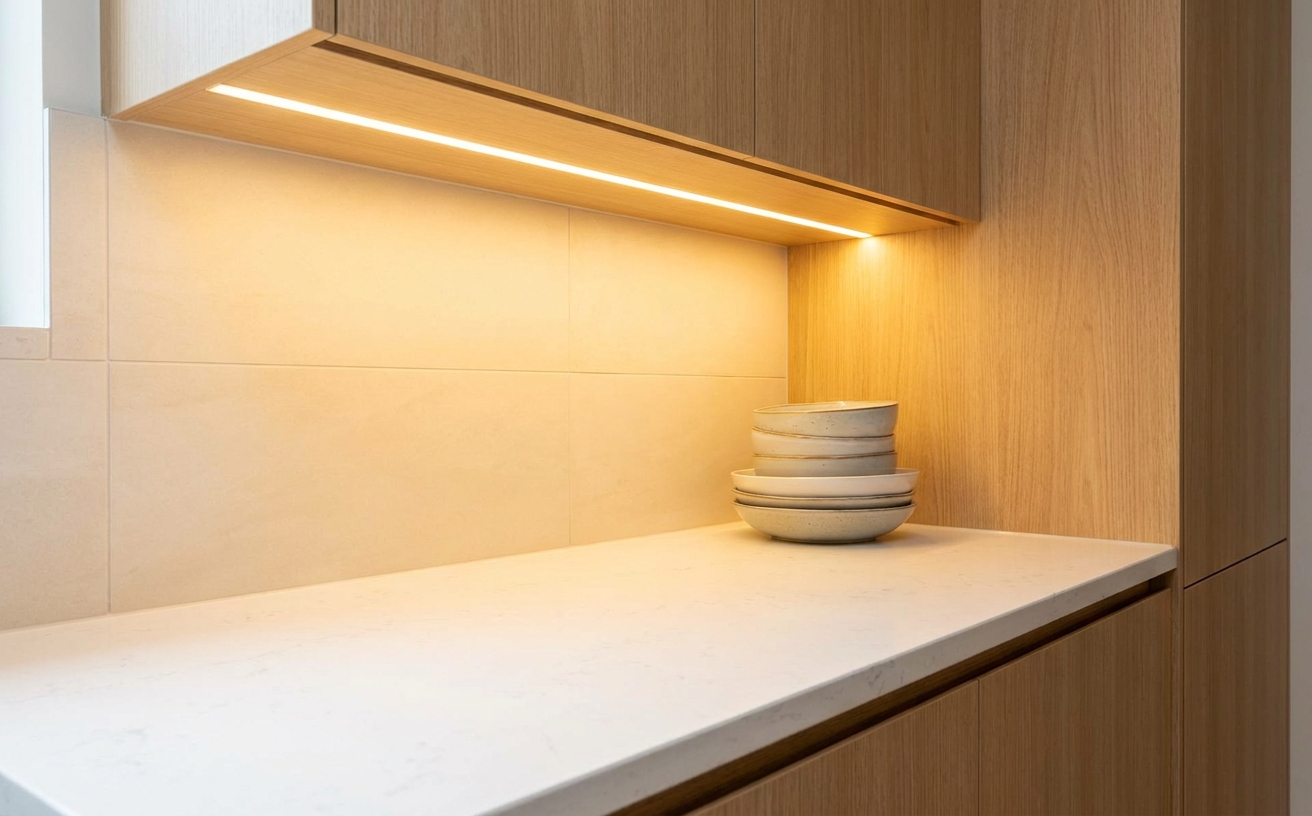
I can’t stress this enough: under cabinet lighting is essential for any modern kitchen. Without it, your countertops will be cast in shadow, even with bright overhead lights. This makes meal prep a chore and can be unsafe.
- LED Strips: These are super popular for good reason. They’re discreet, energy-efficient, and provide continuous, even light across your whole countertop. You’ll find them in various lengths and can often cut them to fit perfectly. They’re ideal for a seamless look.
- Puck Lights: These are small, disc-shaped lights that offer more focused pools of light. They work well if you have specific zones you want to highlight, but they can create hot spots and shadows if not spaced correctly.
- Light Bars: These are rigid fixtures, often longer than pucks but shorter than a full strip. They provide more directed light than strips and are a good middle-ground option.
| Pros of LED Strips | Cons of Puck Lights |
|---|---|
| Even, continuous light | Can create hot spots and shadows |
| Easy to cut to size | May require more wiring |
| Very low profile | Harder to conceal |
For hardwired under cabinet lighting, especially if you’re adding new circuits, I’d strongly recommend hiring a licensed electrician in your area. It’s worth every penny for peace of mind and proper installation. If you’re shopping for kitchen lighting, our recessed and under cabinet collection has a range of options at different price points.
Island Lighting: Pendants and More
The kitchen island is often the heart of the home, used for cooking, eating, and socializing. Its lighting needs to be both functional and beautiful.
- Pendant Lights: These are the go-to for island lighting. They provide focused task light directly on the counter. When choosing pendants, consider their size relative to your island. For multiple pendants, space them evenly, usually about 24-30 inches apart, depending on their diameter.
- Height: Hang pendants so the bottom is 30 to 36 inches above the countertop. This prevents them from blocking views or hitting heads, while still providing effective task light.
- Number: For an island 5-6 feet long, two pendants usually work well. For longer islands (7-9 feet), you might want three. It’s all about balancing the look and ensuring adequate light coverage.
- Linear Pendants: If you have a very long island and prefer a single, striking fixture, a linear pendant can be a fantastic choice. These fixtures combine multiple lights into one long bar, offering a cohesive look and excellent light distribution across the entire surface.
- Recessed Lights over Islands: While pendants are popular, you can also use recessed lighting over an island for task illumination. Just make sure they’re closer together than your general ambient lights, focusing the beams directly onto the workspace.
Accent Lighting: Adding Sparkle and Style
Accent kitchen lighting isn’t about function as much as it is about aesthetics. It highlights architectural features, adds drama, and creates visual interest. It’s the jewelry of your kitchen.
- In-Cabinet Lighting: If you have glass-front cabinets, adding small LED pucks or strips inside them can beautifully display your dishware or collectibles. It adds a lovely glow and makes the kitchen feel more luxurious.
- Toe-Kick Lighting: Lights installed at the base of your cabinets, shining down onto the floor, create a soft, ethereal glow. It’s fantastic for late-night trips to the kitchen and adds a custom, high-end feel.
- Picture Lights: Do you have a piece of art or a special display shelf in your kitchen? A small picture light can draw attention to it, making your kitchen feel more like a living space.
Planning Your Kitchen Lighting Layout
Before you buy a single fixture, grab a piece of graph paper and draw out your kitchen layout. Mark where your cabinets, island, sink, and major appliances are. This visual plan is crucial for figuring out where each layer of kitchen lighting needs to go.
- Start with Ambient: Decide where your recessed lights, flush mounts, or main overhead fixture will live. Ensure they provide even coverage across the room.
- Add Task Lighting: Mark the undersides of your upper cabinets and over your island or sink area for focused task lights.
- Layer in Accent Lighting: Think about areas you want to highlight, like glass cabinets or a backsplash feature.
- Consider Controls: Plan your switches. You’ll want separate controls for each layer of lighting (ambient, under cabinet, island pendants, etc.). Dimmers are a must for most of these. Having multiple switches lets you tailor the light for any occasion.
Remember, new wiring for any of these fixtures, or installing heavy fixtures (anything over 10 pounds), really does call for a professional. A licensed electrician will ensure everything is up to code and safe, and they’ll handle any complex wiring changes you might need. Don’t underestimate the importance of professional installation for your kitchen lighting.
Frequently Asked Questions
How many lumens do I need for kitchen lighting?
For ambient kitchen lighting, aim for roughly 20-40 lumens per square foot. Task lighting, like under cabinet lights, should be brighter, often in the range of 50-70 lumens per square foot on the countertop surface. It’s always better to have more lumens and use a dimmer than not enough.
What color temperature is best for kitchen lighting?
Most homeowners prefer a “neutral white” or “cool white” color temperature for the kitchen, typically between 3000K and 4000K. This range provides clear, bright light that’s great for tasks without feeling too stark or too yellow. Aim for consistency across all your fixtures.
Should kitchen lighting be on dimmers?
Absolutely, yes! Dimmers are incredibly important for kitchen lighting. They give you complete control over the mood and brightness, allowing you to adjust the light for cooking, dining, or late-night snacks. Install them for your ambient and task lights whenever possible.
How far should recessed lights be from cabinets?
For even light distribution and to avoid shadows on your upper cabinets, place recessed lights about 18-24 inches out from the wall or the front of your upper cabinets. This creates a wall-wash effect that brightens the vertical surfaces and countertops.
Can I mix different metal finishes in my kitchen lighting?
Yes, you can definitely mix metal finishes in your kitchen. It adds depth and character. Just aim for a cohesive palette. For example, if your faucet is chrome, you might use brushed nickel pendants but have some matte black cabinet hardware. It’s about intentional variety, not a random collection.
Choosing the right kitchen lighting isn’t just about brightness, it’s about building a functional and inviting space. By layering ambient, task, and accent lighting, you’ll create a kitchen that truly shines. We invite you to explore our extensive collection of fixtures to find the perfect pieces for your home.