Walking into the light bulb aisle can feel totally overwhelming, can’t it? It used to be simple: pick a wattage, screw it in. But now, with LEDs, different color temperatures, lumens, and smart home options, knowing how to pick the right one feels like a puzzle. Trust me, I’ve been there, staring blankly at packages, trying to figure out if a 2700K or 4000K bulb is best for my living room. This guide will make choosing light bulbs much easier, helping you confidently choose right light bulbs for your home for every room and every mood. We’ll break down the jargon and give you practical advice you can use today.
Understanding the Essentials: Lumens, Watts, and Color Temperature
Before we dive into specific rooms or fixture types, let’s demystify the terms you’ll see on every light bulb box. It’s really not as complicated as it seems once you know what each number means.
Lumens: Your Brightness Guide
Forget watts when you’re thinking about how bright a bulb is. Watts now tell you how much energy a bulb uses, not its light output. Lumens (lm) are the true measure of brightness. The higher the lumen number, the brighter the light. For example, a standard 60-watt incandescent bulb produced about 800 lumens. If you’re replacing that, you’ll look for an LED that also offers around 800 lumens. You’ll often find bulbs ranging from 200 lumens for a nightlight up to 2,000 lumens for a very bright floodlight.
Watts: Energy Consumption, Not Brightness
Today, watts primarily tell you about energy efficiency, especially with LEDs. An LED bulb that uses 8-10 watts can often produce the same 800 lumens as an old 60-watt incandescent. This is why LEDs save so much on your energy bill. When you see “60W equivalent” on an LED box, it means it gives off the same brightness as a 60-watt incandescent, even though it uses far less actual wattage. Don’t stress too much about the actual wattage number unless you’re trying to calculate energy costs.
Kelvin (K): Setting the Mood with Color Temperature
This is where the magic happens for ambiance. Color temperature, measured in Kelvin (K), describes the hue of the light. It’s a spectrum from warm (more yellow/orange) to cool (more blue/white).
- 2000K-2700K (Warm White/Soft White): This is the cozy, inviting glow you’d get from traditional incandescent bulbs. It’s perfect for bedrooms, living rooms, and dining areas where you want to relax. It’s very flattering for skin tones, too.
- 3000K-3500K (Bright White/Neutral White): A good balance, this light is less yellow than warm white but not starkly blue. It’s a popular choice for kitchens, bathrooms, and home offices where you need good visibility without feeling like you’re in an operating room.
- 4000K-5000K (Cool White/Daylight): This mimics natural daylight and is great for task-oriented spaces like workshops, garages, or laundry rooms. It can feel a bit sterile in living areas, so use it sparingly there unless you’re going for a very modern, crisp look. I’ve seen this mistake a lot where people put 5000K bulbs in their bedroom and wonder why it doesn’t feel relaxing. It’s too high.
| Kelvin (K) Range | Common Name | Best Use Cases | Mood |
|---|---|---|---|
| 2000K-2700K | Warm White/Soft White | Bedrooms, Living Rooms, Dining Rooms, cozy spaces | Relaxing, inviting, intimate |
| 3000K-3500K | Bright White/Neutral | Kitchens, Bathrooms, Home Offices, hallways | Alert, clear, balanced |
| 4000K-5000K | Cool White/Daylight | Garages, Workshops, Laundry Rooms, task lighting | Energizing, crisp, focused |
Decoding Bulb Shapes and Bases for Every Fixture
Once you understand lumens and Kelvin, you’ll need to make sure the bulb actually fits your fixture! There are dozens of bulb shapes and base types, but you’ll encounter a few common ones frequently.
Common Bulb Shapes: Aesthetics and Function
The shape of a bulb isn’t just about looks, it also affects light distribution.
- A19/A21: These are the classic pear-shaped bulbs, the most common type. They fit almost any standard lamp or enclosed fixture.
- B10/C7/C9 (Candelabra): Shaped like a flame or a small torpedo, these are for chandeliers, sconces, and decorative fixtures where the bulb itself is often visible.
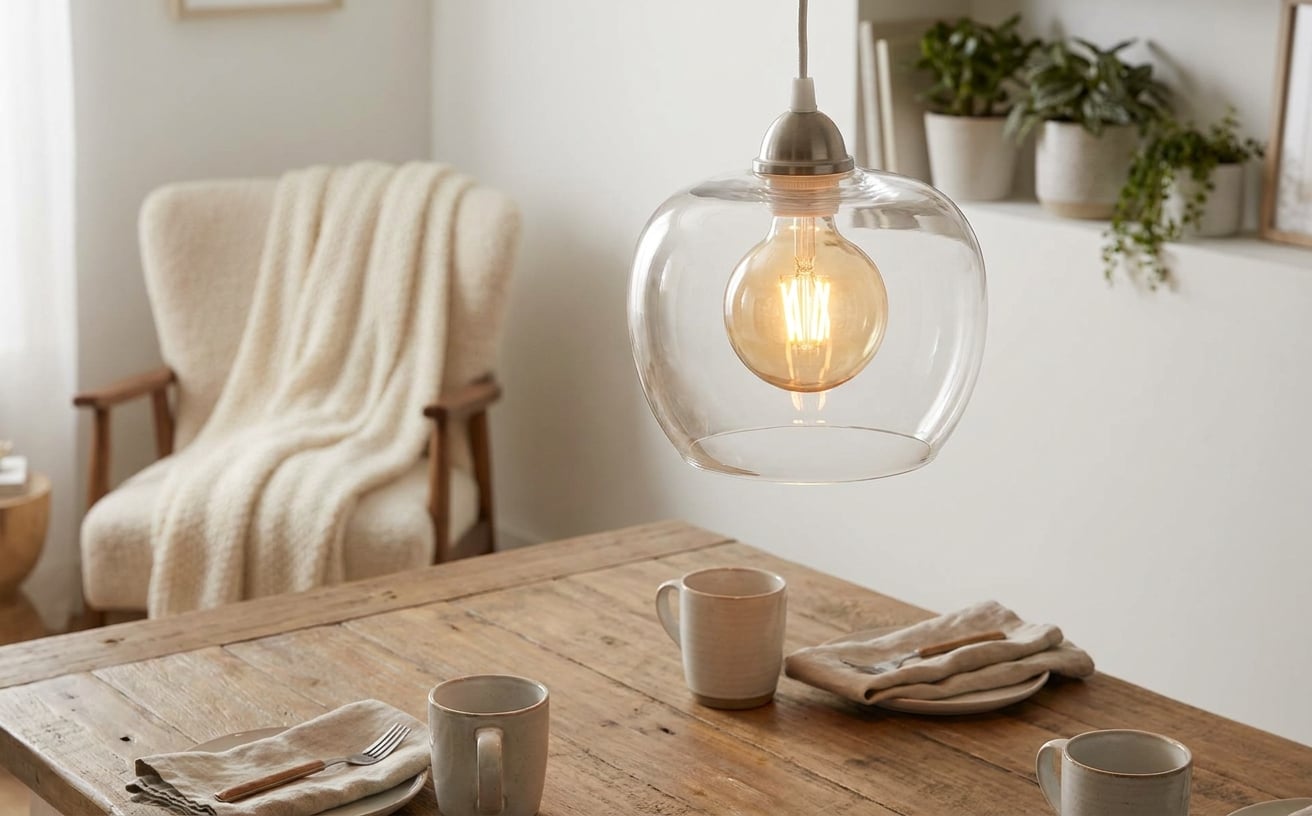
- G-shape (Globe): Spherical bulbs (G16, G25, G30, G40) are popular in vanity lights, exposed pendant fixtures, and bathrooms where you want a softer, diffused light and the bulb is part of the design.
- ST-shape (Edison): These vintage-style bulbs (ST19, ST64) have a long, tubular shape with visible filaments. They’re all about aesthetics and are perfect for open fixtures or where you want a retro look.
- BR/PAR (Reflector/Spot): These bulbs (BR30, BR40, PAR30, PAR38) have a built-in reflector to direct light forward. They’re used in recessed cans, track lighting, and outdoor floodlights. BR bulbs have a wider beam, while PAR bulbs have a tighter, more focused beam.
- MR16/GU10: Small, multi-faceted reflector bulbs often used in track lighting, display lighting, and some recessed fixtures. They have pin bases instead of screw bases.
Common Base Types: Ensuring a Fit
The base is the part of the bulb that screws or twists into the fixture.
- E26 (Medium/Standard): This is the most common screw-in base in North America, fitting most lamps, ceiling fixtures, and recessed cans.
- E12 (Candelabra): A smaller screw-in base, often found on chandeliers, sconces, and nightlights.
- GU10: A twist-and-lock base with two pins, common for spotlights and track lighting.
- GU24: A two-pin twist-and-lock base designed for energy-efficient fixtures, often preventing the use of traditional incandescent bulbs.
Always double-check the base type on your existing bulb or fixture before choosing light bulbs to buy new ones. It’s a common oversight that leads to frustrating returns.
The Different Types of Light Bulbs for Your Home
The market is mainly dominated by LEDs now, but it’s good to know what else is out there and why LEDs are the top choice for most situations.
LEDs (Light Emitting Diodes)
LEDs are the reigning champions for good reason. They’re incredibly energy-efficient, long-lasting, and offer a huge range of colors and brightness levels. You’ll find them in almost every shape and size imaginable.
| Pros | Cons |
|---|---|
| Energy Efficient: Uses 75-90% less energy | Higher upfront cost (though dropping) |
| Long Lifespan: Up to 25,000+ hours | Dimming can be tricky if not compatible |
| Cool to the Touch: Less heat output | Some cheaper bulbs may have poor CRI |
| Durable: No fragile filament | Can have issues with flicker if low quality |
| Instant On: No warm-up time |
Halogen Bulbs
Halogen bulbs are technically a type of incandescent, but they’re more efficient. They produce a crisp, bright white light and are often used where good color rendering is important, like in display lighting. However, they get very hot and are still much less efficient than LEDs, so they’re becoming less common.
Incandescent Bulbs (Traditional)
These are the old-school bulbs with a glowing filament. While many have been phased out due to energy inefficiency, you can still find them, often marketed for their warm, soft glow or specific decorative purposes (like Edison bulbs). They’re very inefficient and have a short lifespan, so you’ll pay more in energy and replacements over time.
Smart Bulbs
Smart bulbs are LEDs with built-in Wi-Fi or Bluetooth connectivity. You can control them with an app, voice commands, or integrate them into a smart home system. They often allow you to change color temperature, brightness, and even the full color spectrum. They’re great for creating dynamic lighting scenes, but they do come at a higher price point. If you’re looking to create a truly personalized lighting experience, our smart lighting collection has a range of options at different price points.
Matching Bulbs to Room and Fixture Needs
This is where all the technical stuff comes together. You’ll want to choose bulbs that not only fit your fixtures but also create the right atmosphere and provide the necessary functionality for each space.
Kitchens
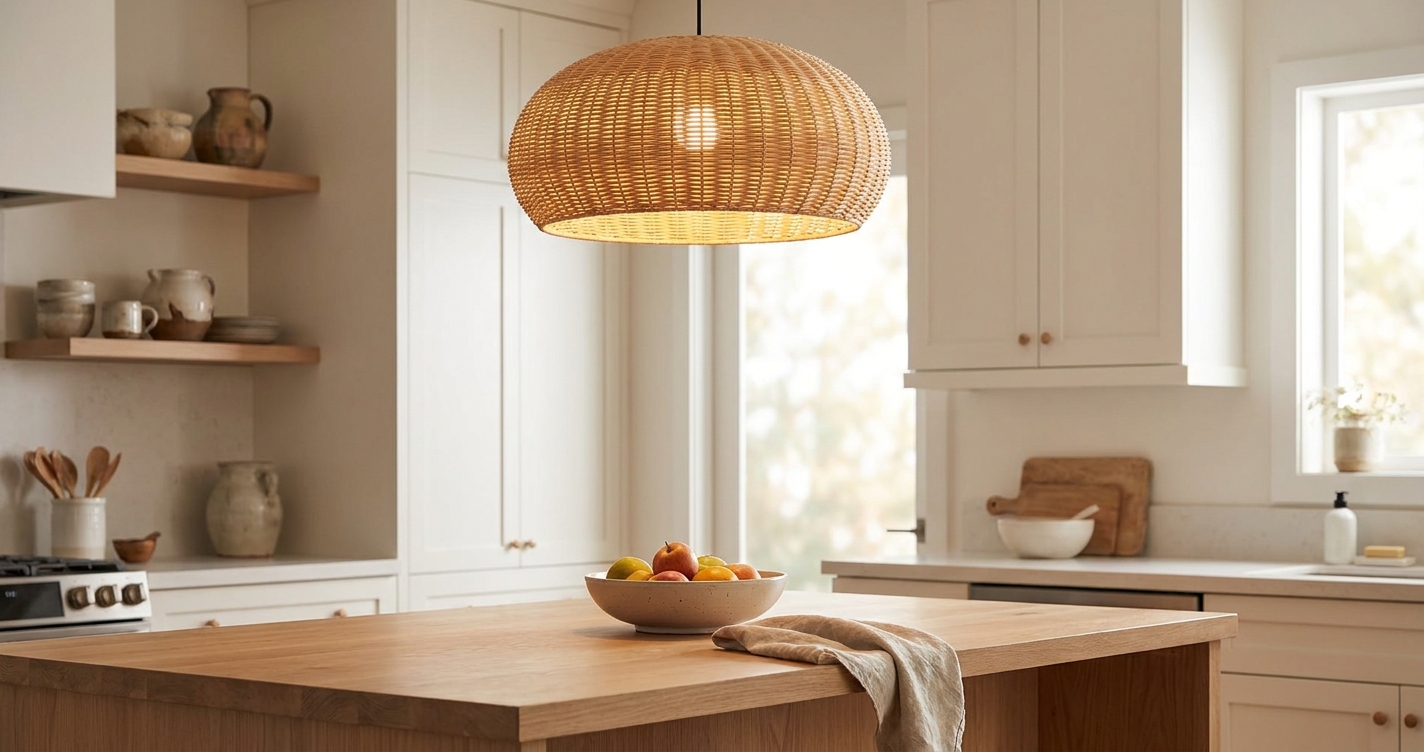
Kitchens need bright, clear light for cooking and cleaning. I’d recommend 3000K-4000K bulbs here. For recessed lighting, BR30 or PAR30 bulbs are common, aiming for 800-1100 lumens per bulb depending on the size of your kitchen (a 10×12 kitchen might need 6-8 recessed lights at 800 lumens each). Under-cabinet strip lighting, often around 3000K, is also fantastic for task illumination.
Living Rooms
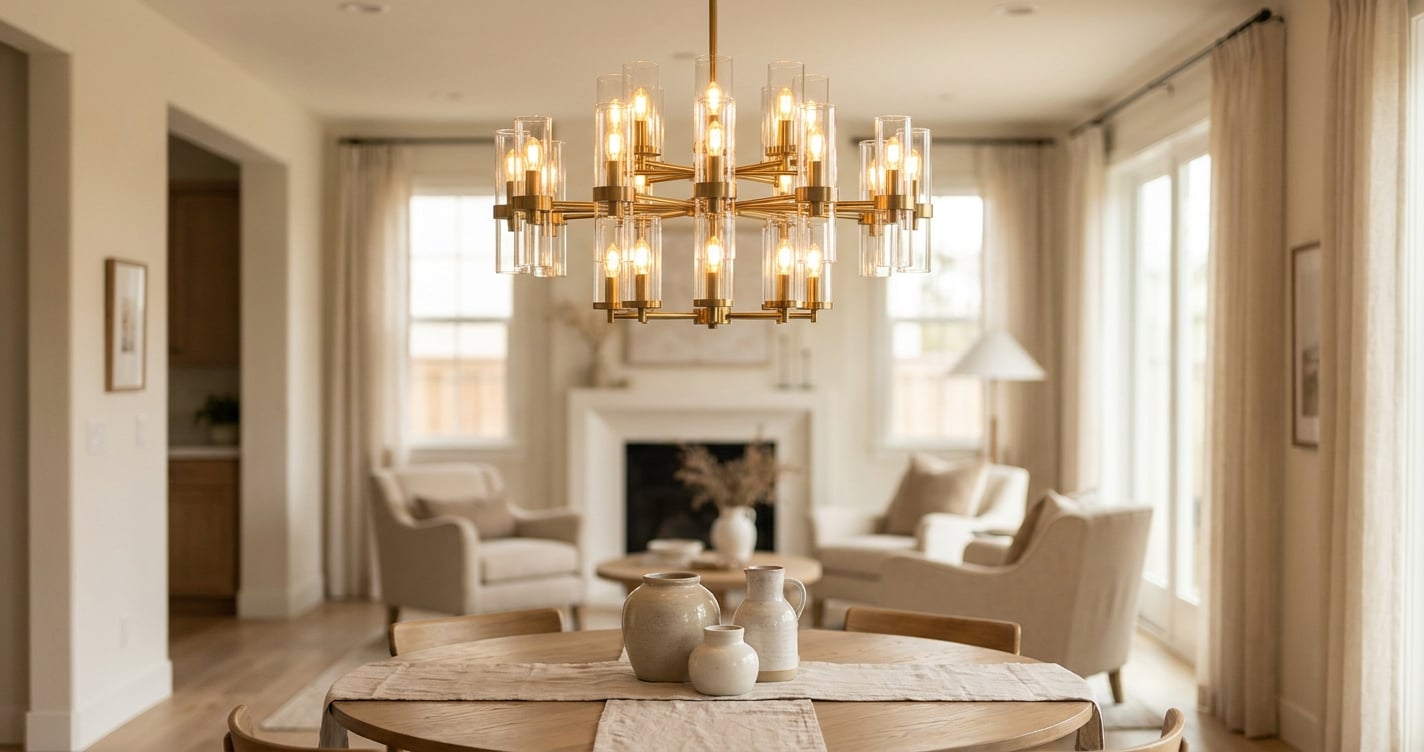
This is where you want flexibility. Dimmable, warm white bulbs (2700K-3000K) are ideal for ambient lighting. You’ll want a mix of overhead lights (like a chandelier or recessed lights), floor lamps, and table lamps. An average living room might need a total of 2000-4000 lumens, achieved through multiple sources. Look for A19 bulbs for lamps and possibly candelabra (E12) bulbs for a decorative chandelier.
Bedrooms
Bedrooms are all about relaxation. Stick to warm white (2200K-2700K) and definitely choose dimmable options. A total of 1500-2500 lumens for a master bedroom is a good target. Table lamps with A19 bulbs on nightstands are a must, and overhead lighting should be soft and inviting.
Bathrooms
You need good, clear light for grooming, but it shouldn’t be harsh. 3000K-3500K bulbs are usually best. Focus on vanity lighting with G25 (globe) bulbs around the mirror for even illumination, minimizing shadows. Aim for at least 1500 lumens for a small bathroom, going up to 3000+ for larger spaces. Look for bulbs with a high Color Rendering Index (CRI), ideally 90+, so colors appear true to life.
Dining Rooms
Warm and inviting is key for dining. 2200K-2700K bulbs are perfect. Chandeliers often use candelabra (E12) bases, and you’ll want dimmable bulbs so you can adjust the mood from a bright dinner party to an intimate meal.
Expert Tip: When selecting bulbs for a multi-bulb fixture, like a chandelier, don’t just add up the maximum allowed wattage. Instead, consider the total lumen output. Too many bright bulbs can be overwhelming, even if they fit the wattage limit. Aim for a comfortable total lumen range for the room.
Smart Strategies for Choosing Light Bulbs
Beyond the basics, there are a few extra considerations that can make a big difference in your home’s lighting experience and long-term satisfaction. These are critical when choosing light bulbs to ensure you’re happy with the end result.
Dimmability: A Must-Have for Ambiance
If a fixture is on a dimmer switch, you absolutely need to use dimmable bulbs. Not all LEDs are dimmable, and using a non-dimmable LED on a dimmer will often cause flickering, buzzing, or simply not dimming properly. Always check the packaging for the “dimmable” label. Also, ensure your dimmer switch is compatible with LED technology; older incandescent dimmers might not work well with modern LEDs.
Color Rendering Index (CRI): See True Colors
CRI is a measure of how accurately a light source reveals the true colors of objects compared to natural sunlight. It’s scored from 0-100. For most living spaces, a CRI of 80+ is acceptable. However, for kitchens, bathrooms, or areas where you display art, you’ll want bulbs with a CRI of 90 or higher. This ensures that your food looks appetizing, your makeup is applied correctly, and your artwork’s colors pop as intended.
Lifespan and Energy Efficiency: Long-Term Savings
LEDs have a significantly longer lifespan (20,000-50,000 hours) compared to halogens (2,000-4,000 hours) or incandescents (750-1,000 hours). While LEDs have a higher upfront cost, their longevity and low energy consumption mean substantial savings over time. It’s often worth investing in quality LEDs, especially for hard-to-reach fixtures.
#### Specific Considerations for Choosing Light Bulbs for Outdoor Use
For outdoor fixtures, you’ll need bulbs that can withstand the elements. Look for bulbs specifically rated for damp or wet locations. These are often made with more durable materials and sealed against moisture. PAR38 bulbs are a common choice for floodlights, and many outdoor decorative fixtures use standard A19 or candelabra bulbs, provided they are in enclosed or covered fixtures. Always check the bulb’s rating for outdoor use.
Avoiding Common Mistakes When Choosing Light Bulbs
It’s easy to make a wrong turn when you’re faced with so many options. Here are a few common pitfalls to steer clear of when choosing light bulbs for your home.
Too Bright or Too Dim
This is probably the most common mistake. Don’t just guess your lumen needs. For example, a small entryway might only need 400-600 lumens, while a large living room could require 3000-4000 lumens spread across multiple fixtures. Using bulbs that are too bright creates a harsh, unwelcoming environment. Too dim, and you’ll struggle to perform tasks or feel like the space is gloomy. My number one error I’ve seen homeowners make is using a single, high-lumen bulb to light an entire room instead of layering multiple, lower-lumen sources.
Incorrect Color Temperature
As mentioned earlier, putting a 5000K “daylight” bulb in a cozy bedroom will instantly kill the mood. Conversely, using very warm 2200K bulbs in a kitchen can make food look unappetizing and make it harder to see what you’re doing. Think about the function and feeling of the room first.
Incompatible Dimmer Switches
Assuming all LEDs work with all dimmers is a recipe for frustration. Always check bulb packaging for dimmability, and if you have an older dimmer, consider upgrading it to an LED-compatible model. It will save you headaches and extend the life of your bulbs.
Wrong Base Size or Shape
This seems obvious, but it happens! Always check the base type (E26, E12, GU10, etc.) and the physical dimensions of your fixture. Some enclosed fixtures can’t accommodate larger A21 or G-shaped bulbs, even if the base fits. A little measurement before you buy goes a long way.
Frequently Asked Questions
What’s the best color temperature for general living spaces?
For living rooms and bedrooms, most people prefer warm white (2700K-3000K) bulbs. This range creates a comfortable, inviting atmosphere that feels relaxing and cozy.
Can I mix different color temperatures in my home?
Absolutely! It’s actually a great way to define different zones or moods. You might use 2700K in your living room and a slightly brighter 3000K in an adjacent open-concept kitchen. Just try not to mix drastically different temperatures within the same fixture or immediate line of sight.
Are smart bulbs worth the extra cost?
Smart bulbs offer incredible flexibility, allowing you to change brightness and color temperature with ease, and integrate with smart home systems. If you value convenience, customization, and the ability to set specific scenes, they can definitely be worth the investment for key areas of your home.
How do I know if my fixture is compatible with LED bulbs?
Most modern fixtures are compatible with LED bulbs, especially if they use standard screw-in bases. The main concern is often heat dissipation for enclosed fixtures (some LEDs aren’t rated for fully enclosed spaces) and dimmer compatibility. Always check the bulb’s packaging for specific recommendations.
Choosing the right light bulbs for your home doesn’t have to be a daunting task. By understanding lumens, Kelvin, and bulb types, you’re well-equipped to create beautiful, functional lighting in every room. Take these tips, explore our diverse collection of high-quality bulbs, and illuminate your home exactly the way you’ve always wanted.