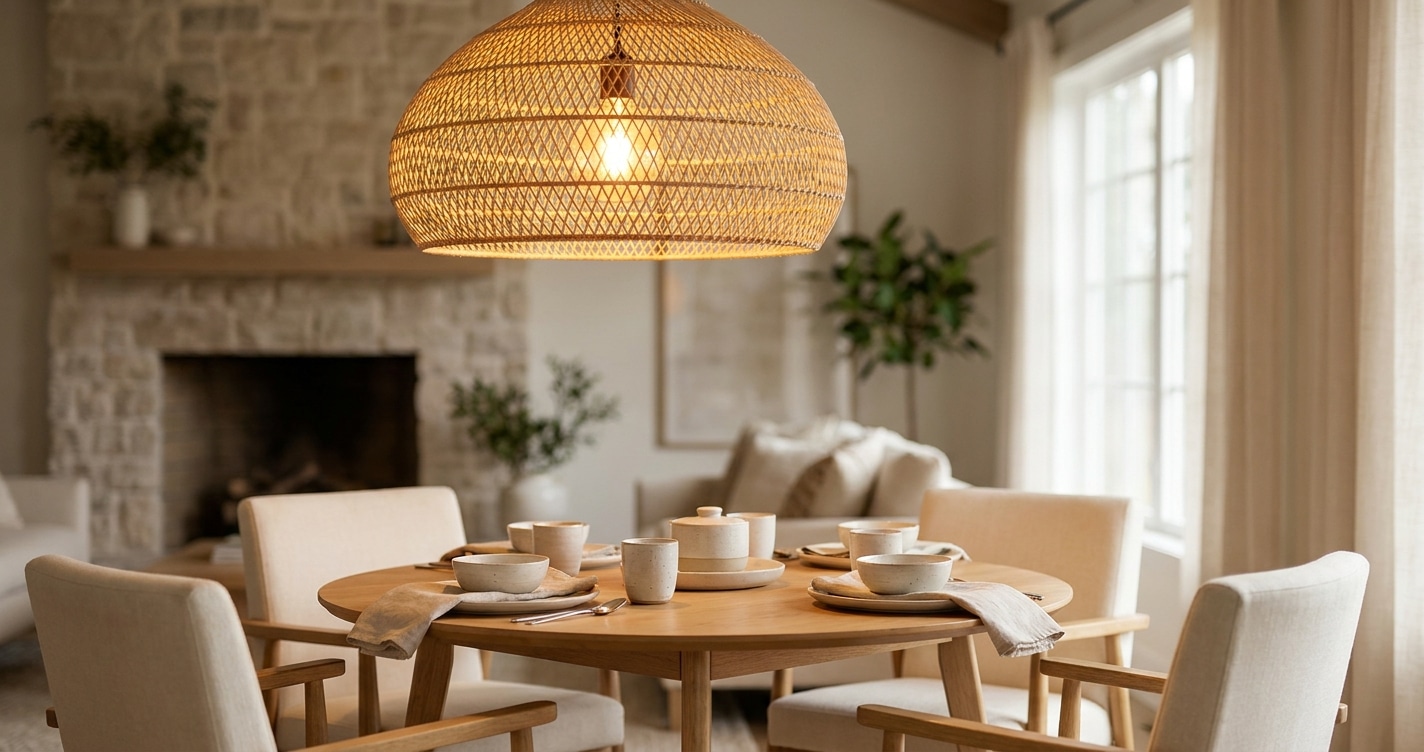
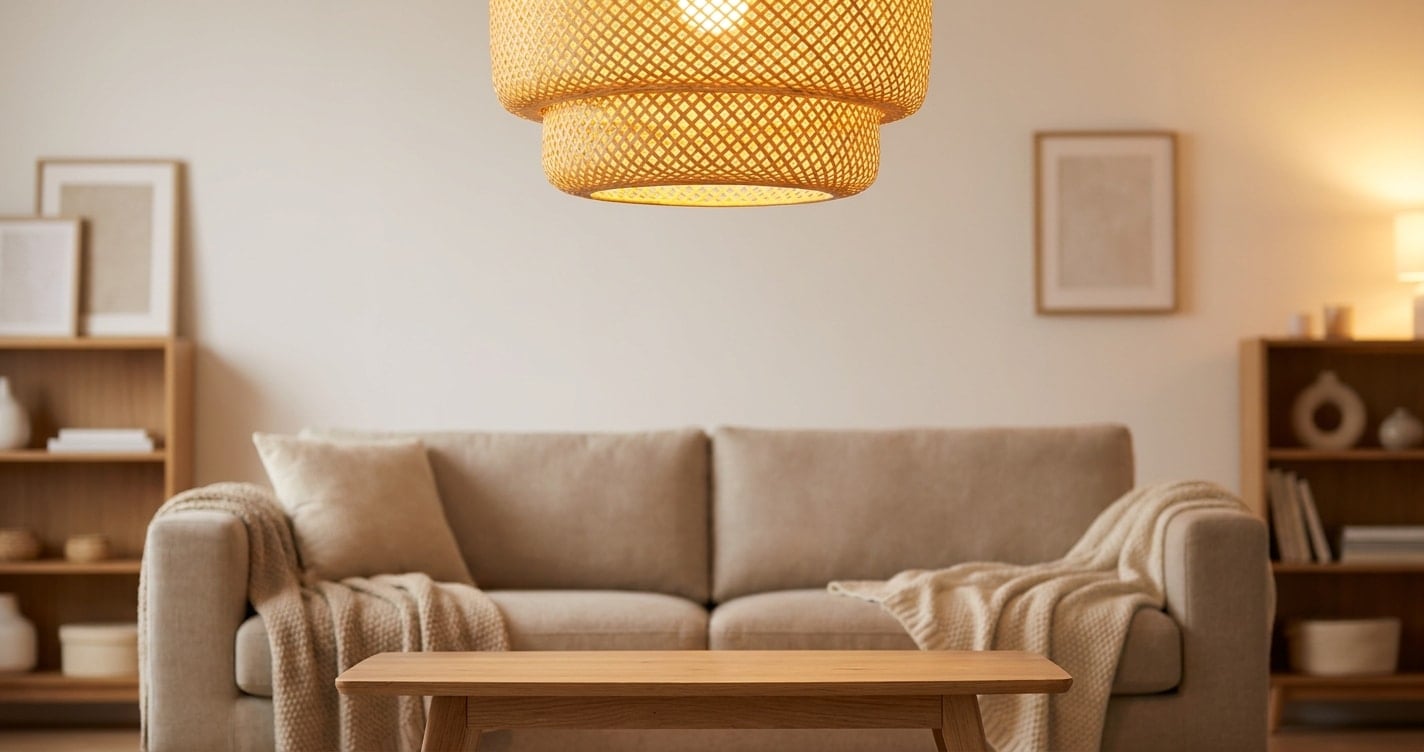
Stepping into a new kitchen, or even just updating an old one, you’re faced with so many choices. One decision that often gets overlooked until the last minute, but truly ties the whole room together, is the lighting. Specifically, those crucial pendant lights that hang over your island or peninsula. It’s not just about illumination, it’s about setting the mood, defining your style, and making a statement. Finding the perfect pendant lighting can feel like a big puzzle, especially when you’re trying to balance aesthetics with practicality. We’re all looking for that ideal blend of form and function, and choosing kitchen pendant lighting design thoughtfully makes all the difference in how your space feels and works.
Understanding Your Kitchen’s Style Before You Choose
Before you even start browsing, take a good look at your kitchen’s overall design. Is it sleek and modern, rustic farmhouse, classic traditional, or somewhere in between? Your pendant lights should echo and enhance that existing style, not fight against it. Think about the materials, finishes, and colors already present. You don’t want a minimalist chrome fixture clashing with a warm, distressed wood island, for instance. It’s all about creating a cohesive look.
Modern and Contemporary Kitchens
For modern kitchens, you’re typically looking for clean lines, geometric shapes, and often metallic finishes like polished chrome, brushed nickel, or matte black. Glass or acrylic elements can add to that minimalist vibe. Think simple, elegant, and understated, letting the form speak for itself. You’ll want fixtures that feel current and fresh, complementing the smooth surfaces and often handle-less cabinetry common in these spaces.
Farmhouse and Rustic Kitchens
If your kitchen leans farmhouse or rustic, you’ll want pendants that bring in warmth and character. Think about materials like aged bronze, distressed wood, or even matte black finishes that have a slightly industrial edge. Bell-shaped shades, caged designs, or those with exposed Edison bulbs can really enhance this look. These aren’t just lights, they’re part of the story of your home.
Traditional and Transitional Kitchens
Traditional kitchens often feature more ornate details, rich finishes, and classic shapes. Pendants with intricate metalwork, clear or frosted glass, or even fabric shades can work beautifully here. Transitional styles, which blend traditional and modern elements, offer more flexibility. You can opt for something classic with a contemporary twist, like a lantern-style pendant in a sleek finish. The goal is elegance and timeless appeal. Finding the perfect pendant lighting here means respecting existing architectural details.
Sizing Up Your Space: How Many Pendants and How Big?
This is where many people get stuck, and I’ve seen this mistake a lot: choosing fixtures that are either too small and get lost, or too large and overwhelm the space. The size of your island or peninsula, and the overall scale of your kitchen, dictates how many pendants you’ll need and what size they should be.
For Island Pendants: The Rule of Thirds
A common guideline for islands is the “rule of thirds.” If your island is, say, 6 feet long, you’ll generally want two pendants. For an 8-foot island, three is usually the sweet spot. You want to divide the island visually. Don’t crowd them, but don’t leave too much empty space either.
- Island Length 5-6 feet: Typically two pendants, each 10-18 inches in diameter.
- Island Length 7-9 feet: Often three pendants, each 8-14 inches in diameter.
- Island Length 10+ feet: Three to four larger pendants, or more if they are very small.
Remember, these are starting points. If you have a very large, open-concept kitchen, you might be able to go a little bigger with your fixtures. If your island is exceptionally wide, you might even consider larger pendants to balance the visual weight. This is a critical step in selecting the perfect pendant lighting.
Expert Tip: When measuring your island, subtract about 12 inches from each end for visual breathing room. Then, space your pendants evenly within that remaining span. For instance, on an 8-foot island (96 inches), deduct 24 inches (12 on each end) leaving 72 inches. For three pendants, you’d center the middle one and place the other two evenly on either side within that 72-inch zone.
What About a Single Statement Pendant?
Occasionally, a very large island or a smaller, more intimate peninsula might benefit from a single, grand statement pendant. This works best when the fixture itself is substantial, perhaps 20-30 inches in diameter, and the island isn’t excessively long. It’s a bold choice that can really anchor the room. However, you’ll need to make sure it provides enough light spread.
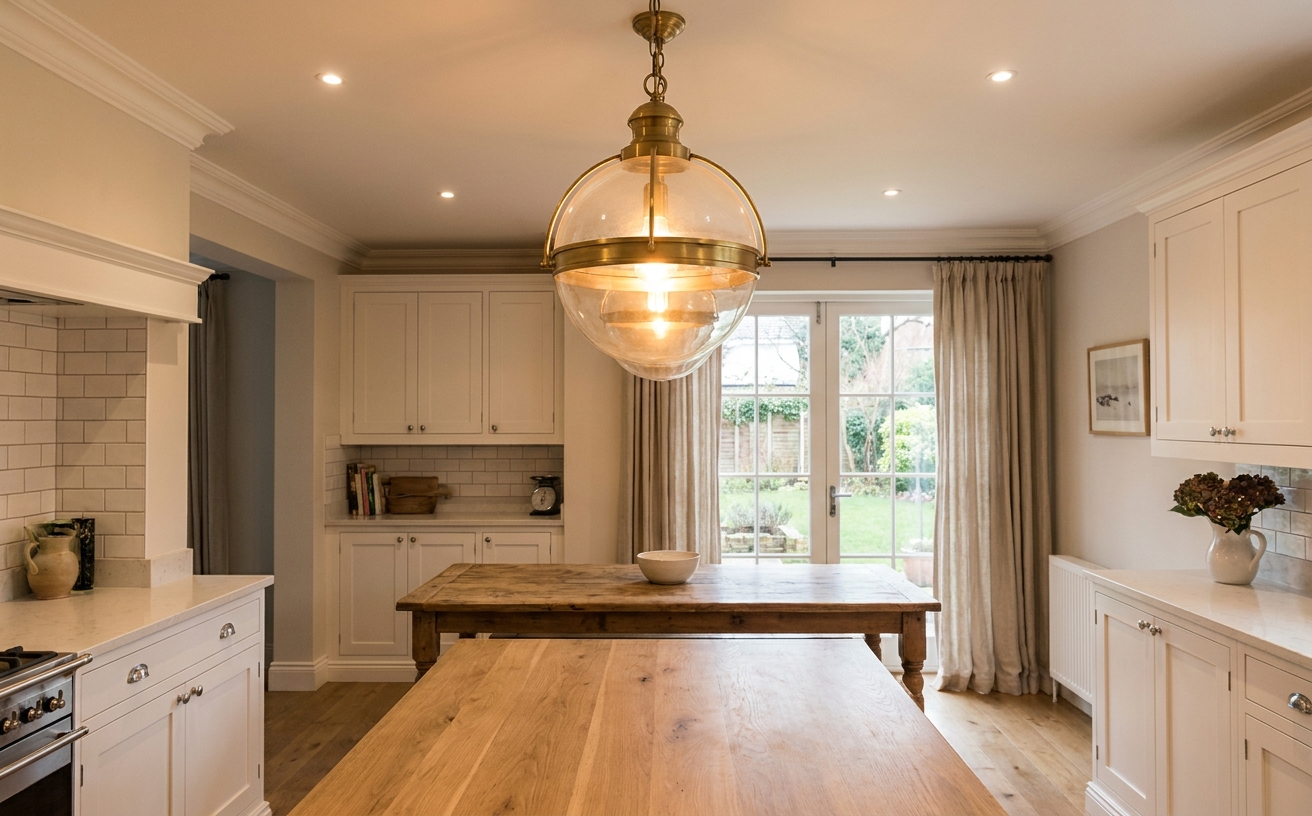
Hanging Height: Getting It Just Right
This is another area where precision really matters. The height at which your pendants hang can drastically change the feel and functionality of your kitchen. Too high, and they look disconnected; too low, and they obstruct views and become a head hazard.
The general rule is to hang the bottom of the pendant light 30-36 inches above the countertop surface. This allows for clear sightlines across the island and prevents people from bumping their heads while working or socializing.
- Average Ceiling Height (8-9 feet): Stick closer to the 30-32 inch mark above the counter.
- High Ceilings (10+ feet): You might go a little higher, perhaps 34-36 inches, to maintain proportion with the overall room height.
Always consider the people who use the kitchen most. If you have tall family members, lean towards the higher end of the range. If someone is shorter, you might adjust slightly lower, but never compromise on clear sightlines. It’s all part of choosing kitchen pendant lighting design that truly works for your home.
Material Matters: Finishes and Glass Types
The materials and finishes of your chosen pendants will directly impact the overall aesthetic. This isn’t just about matching your faucet, it’s about adding texture and depth to the room.
Popular Finishes and Their Impact
- Polished Chrome/Nickel: Sleek, modern, reflective. Great for contemporary kitchens.
- Brushed Nickel/Stainless Steel: Subtler, less reflective, and more forgiving with fingerprints. Versatile for modern, transitional, and even some industrial styles.
- Matte Black: Trendy, bold, and modern. Works well with industrial, farmhouse, and minimalist designs.
- Aged/Oil-Rubbed Bronze: Warm, traditional, and rustic. Perfect for farmhouse, Tuscan, or classic traditional kitchens.
- Brass/Gold Tones: Back in style, offering warmth and a touch of luxury. Can be modern (satin brass) or traditional (polished brass).
Glass Shades: Clear, Frosted, or Seeded?
The type of glass in your pendant shades also plays a role in both style and light output.
| Pros | Cons |
|---|---|
| Clear Glass: Maximizes light output, showcases decorative bulbs, feels open. | Shows dust and fingerprints easily, can create glare if bulb is too bright. |
| Frosted Glass: Diffuses light for a softer glow, hides bare bulbs, less glare. | Reduces overall light output, can feel a little more traditional. |
| Seeded Glass: Adds texture and character, unique visual interest, diffuses light slightly. | Can be harder to clean, might collect dust in crevices. |
Choosing the right glass is part of selecting the perfect pendant lighting for both aesthetics and ambiance.
Lighting Layers: More Than Just Pendants
While pendants are fantastic for task lighting over an island and adding decorative flair, they shouldn’t be your kitchen’s only light source. A well-lit kitchen relies on layers of light.
- Ambient Lighting: This is your general overhead light, often provided by recessed cans or a central flush mount fixture. It provides overall brightness for the room.
- Task Lighting: This is where your pendants shine, focusing light exactly where you need it for chopping, cooking, or reading recipes. Under-cabinet lighting is another excellent form of task lighting.
- Accent Lighting: Think about small spotlights highlighting artwork, or interior cabinet lighting to showcase dishware. This adds depth and visual interest.
Using dimmers on your pendant lights is always a good idea. It allows you to adjust the brightness for cooking, entertaining, or a quiet evening at home. This flexibility is key to truly enjoying your kitchen.
Bulb Talk: Lumens, Color Temperature, and Dimmability
Don’t forget about the bulbs themselves. They are crucial to the final look and feel of your perfect pendant lighting setup.
Lumens, Not Watts
Forget watts; lumens measure brightness. For task lighting over an island, you’ll want enough lumens to see clearly. Generally, bulbs in the 400-800 lumen range (equivalent to 40-60 watt incandescent) are good for pendants, depending on how many you have and their primary purpose.
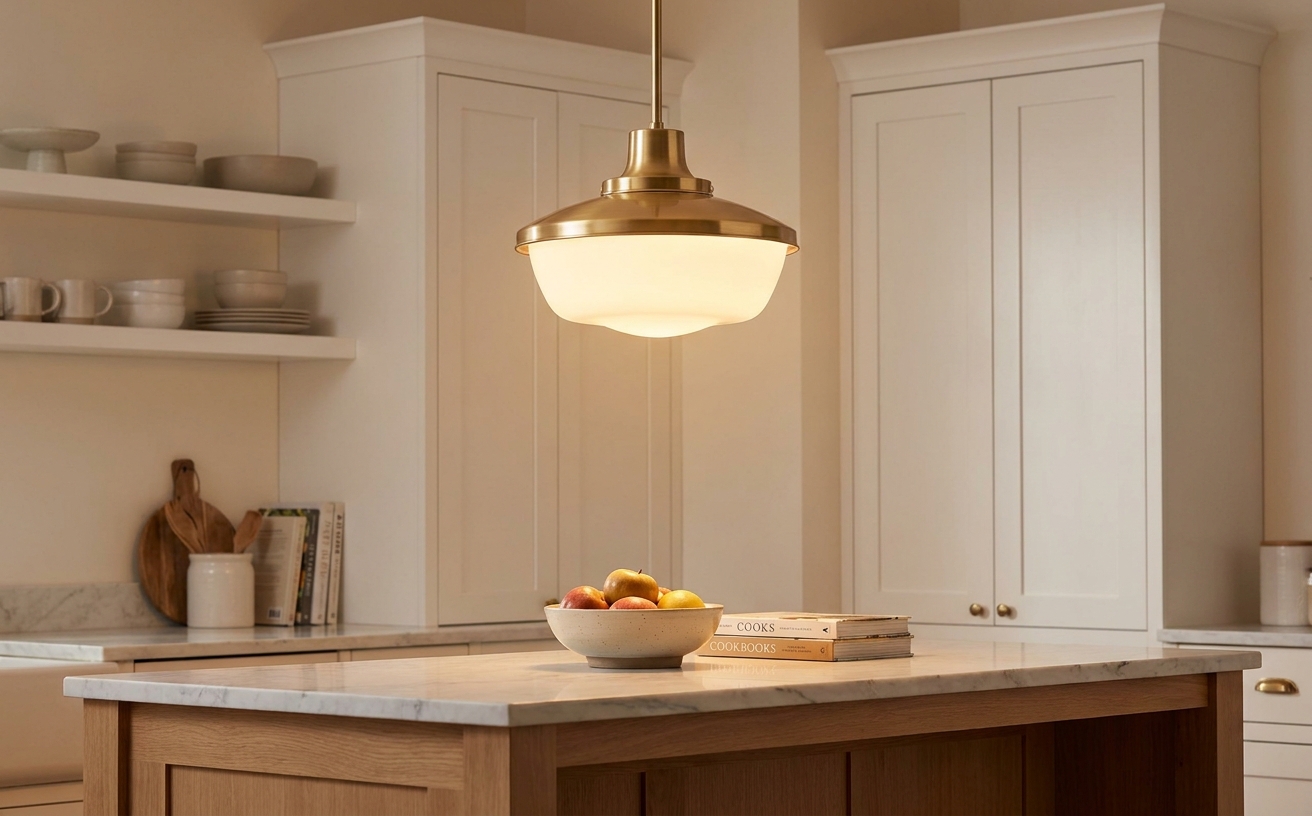
Color Temperature (Kelvin)
This refers to the “warmth” or “coolness” of the light.
* 2700K-3000K (Warm White): This is a warm, inviting glow, similar to traditional incandescent bulbs. Great for creating a cozy atmosphere.
* 3500K-4000K (Cool White/Neutral White): Brighter and more energetic. Good for task areas where you need clear visibility, often preferred in modern kitchens.
* 5000K+ (Daylight): Very bright, almost blueish white. Can feel stark in a home kitchen, usually reserved for commercial spaces.
I’d recommend staying between 2700K and 4000K for most residential kitchens, trying to match the color temperature of your other kitchen lights for a consistent look.
Dimmability
Always choose dimmable bulbs and pair them with compatible dimmer switches. This gives you complete control over the ambiance. For anything involving new wiring, especially for multiple pendants or integrating with a smart home system, I’d strongly recommend hiring a licensed electrician in your area. It’s truly worth every penny for peace of mind and safety.
Choosing the Perfect Pendant Lighting for Your Kitchen Style
Let’s break down some common pendant styles and where they fit.
Mini Pendants: Small but Mighty
Mini pendants are smaller, often single-bulb fixtures, typically less than 8-10 inches in diameter. They’re great for smaller islands or where you want a less dominant look, often used in groups of three or more. If you’re shopping for task lighting over a compact island, our pendant lights collection has a range of options at different price points.
When to Choose Mini Pendants
- Smaller kitchens or islands.
- When you want to use many pendants to create a design statement.
- You prefer a lighter, less visually heavy look.
Drum Pendants: Classic and Cozy
Drum pendants feature a cylindrical shade, often fabric, that diffuses light beautifully. They offer a more traditional or transitional feel and can add a softness to a room.
Best Uses for Drum Pendants
- Transitional or traditional kitchens.
- Adding a textural element.
- When you want softer, diffused light.
Bell Pendants: Versatile and Popular
These are probably the most common style, featuring a bell or cone-shaped shade. They come in countless materials and finishes, making them incredibly versatile.
Why Bell Pendants are Popular
- Work with almost any style (from farmhouse to modern, depending on finish).
- Direct light downward, great for task lighting.
- Easy to find in various sizes and materials.
Geometric Pendants: Modern Edge
These pendants feature open, often angular frames, showcasing the bulb within. They’re a favorite in modern, industrial, and minimalist designs.
Benefits of Geometric Pendants
- Strong design statement.
- Don’t obstruct views as much as solid shades.
- Excellent for modern and industrial aesthetics.
Frequently Asked Questions
How far apart should kitchen pendants be?
A good rule of thumb is to space pendants 24-30 inches apart, measured from the center of one fixture to the center of the next. Always ensure there’s at least 6-12 inches of clearance from the edge of the island to the nearest pendant.
Can kitchen pendants be too big?
Yes, absolutely. Pendants that are too large for your island or kitchen can make the space feel crowded and visually heavy. They can also block sightlines. Always measure your island and consider the overall scale of your room before committing to a size.
Do all kitchen lights need to match?
Not necessarily. While a cohesive look is important, your fixtures don’t need to be identical. You can mix finishes or styles as long as they share a common element, like a similar color temperature of light or a consistent design period. For instance, you could pair brushed brass pendants with a matte black faucet, as long as both elements feel intentionally chosen.
Should kitchen pendants hang higher than a chandelier?
Generally, yes. Kitchen island pendants are task lighting, so they need to be lower to illuminate the workspace (30-36 inches above the counter). A dining room chandelier, on the other hand, is usually hung higher, about 30-34 inches above the dining table, to provide ambient light without obstructing views while seated.
Choosing the perfect pendant lighting truly transforms a kitchen, taking it from functional to fabulous. Take your time, measure carefully, and consider your personal style.