You’ve finally picked out the perfect paint color and furniture, but something still feels off. Is the room too dim, making it feel unwelcoming? Or maybe it’s too bright, harsh, and glaring? Getting the lighting right can be one of the trickiest parts of designing a space. It’s not just about picking a pretty fixture; it’s about understanding the actual light output you need. That’s where knowing how many lumens per room comes in handy. It’s a simple measurement that truly makes a difference in how a room feels and functions. We’ll break down how to figure out the right lumens per room for every space in your home, ensuring your lighting is always just right.
Understanding Lumens: Beyond Watts
For years, we’ve all bought light bulbs based on wattage. We’d say, “I need a 60-watt bulb,” thinking that meant a certain level of brightness. But wattage actually measures energy consumption, not light output. With the rise of energy-efficient LED bulbs, a 60-watt equivalent LED might only use 9 watts, but it produces the same amount of light. That’s why we’ve switched to lumens. Lumens measure the total amount of visible light produced by a bulb. It’s the true indicator of brightness. If you’re looking to create a well-lit space, you’ll want to focus on this number.
Why We Talk About Lumens Per Room Now
Focusing on lumens gives you a much more accurate way to plan your lighting. It allows you to compare different types of bulbs and fixtures directly, regardless of their energy use. When you’re trying to figure out how many lumens per room you need, you’re looking at the total brightness, not just how much electricity a fixture draws. This approach makes it easier to achieve the exact ambiance and functionality you’re aiming for in each space. It’s a game-changer for thoughtful home lighting design.
Calculating Your Lumens Per Room Needs
Determining the right amount of light isn’t a dark art; there’s a pretty straightforward method. You’ll typically calculate the required ambient light for a room based on its square footage. Then, you’ll add more for specific tasks.
The Basic Formula for Lumens Per Room
A good starting point for general ambient lighting is to aim for about 20 lumens per square foot for most living areas. For task-oriented rooms like kitchens or home offices, you’ll want more, closer to 30-40 lumens per square foot.
Here’s how you’d figure it out:
- Measure your room: Multiply the length by the width to get the square footage. For example, a 10-foot by 12-foot room is 120 square feet.
- Determine your base lumens:
- For a living room (120 sq ft), you’d start with 120 sq ft x 20 lumens/sq ft = 2,400 lumens.
- For a kitchen (120 sq ft), you’d aim for 120 sq ft x 30 lumens/sq ft = 3,600 lumens.
This calculation gives you a solid foundation for your overall lumens per room target. Remember, this is a starting point; factors like ceiling height and wall color will adjust this number.
Expert Tip: Don’t forget ceiling height. If you have ceilings higher than 8 feet, you’ll typically need to add about 10-20% more lumens for every additional foot of height to ensure the light reaches effectively. It’s a common oversight that leads to dim-feeling rooms.
Lumens Per Room for Ambient Lighting
Ambient lighting, sometimes called general lighting, is the main light source in a room. It’s what allows you to move around safely and provides a comfortable overall brightness. When you’re planning your lumens per room, start with this layer first. It often comes from overhead fixtures like recessed lights, flush mounts, or chandeliers. For spaces where you spend a lot of time, having enough ambient light is key to making the room feel inviting, not just functional.
Specific Lumens Per Room Recommendations
While the square footage formula is a great guide, it’s also helpful to think about the specific activities in each room. Different spaces have different demands for light. Here’s a breakdown of general recommendations for lumens per room by common household areas.
Kitchen Lumens Per Room
Kitchens are high-activity areas, so they need plenty of bright, functional light. You’ll want good general illumination, but also strong task lighting over counters and islands.
- General: 30-40 lumens per square foot.
- Example: A 10×15 kitchen (150 sq ft) needs 4,500-6,000 lumens total.
- Breakdown: This usually means a combination of recessed lights, under-cabinet lighting, and perhaps a pendant or two over an island. You’ll find that under-cabinet lights really boost the functional lumens per room right where you need them for chopping and cooking.
Living Room Lumens Per Room
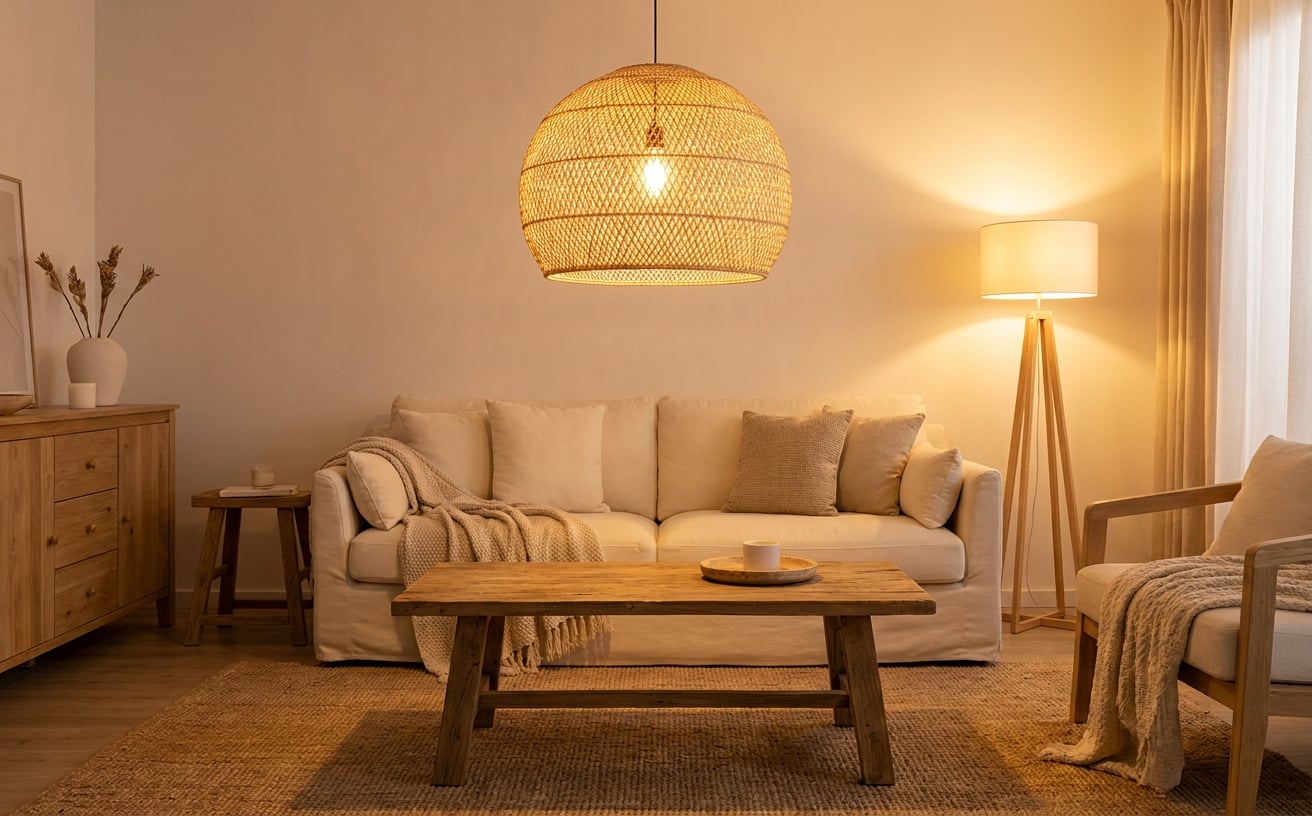
Living rooms are for relaxing, entertaining, and various activities like reading or watching TV. You’ll want versatile lighting that can adapt.
- General: 20-30 lumens per square foot.
- Example: A 12×18 living room (216 sq ft) needs 4,320-6,480 lumens total.
- Breakdown: This space benefits greatly from layered lighting. A main overhead fixture for ambient light, plus floor lamps, table lamps, and perhaps accent lighting for art. Dimmers are crucial here to adjust the lumens per room for different moods.
Bedroom Lumens Per Room
Bedrooms should be cozy and inviting, but still offer enough light for getting dressed or reading.
- General: 10-20 lumens per square foot.
- Example: A 14×14 bedroom (196 sq ft) needs 1,960-3,920 lumens total.
- Breakdown: Often includes a ceiling fixture for ambient light, bedside lamps for reading, and maybe a dresser lamp. It’s all about comfort here. You’re not usually doing high-intensity tasks, so the total lumens per room can be lower.
Bathroom Lumens Per Room
Bathrooms require bright, shadow-free lighting, especially around the vanity for grooming tasks.
- General: 20-40 lumens per square foot.
- Example: An 8×10 bathroom (80 sq ft) needs 1,600-3,200 lumens total.
- Breakdown: Vanity lights (sconces or bars) are critical, often providing the bulk of the lumens per room. An overhead light for general illumination and perhaps a shower light completes the picture.
Home Office Lumens Per Room
With more people working from home, a well-lit office is essential to reduce eye strain and maintain productivity.
- General: 30-40 lumens per square foot.
- Example: A 10×12 home office (120 sq ft) needs 3,600-4,800 lumens total.
- Breakdown: A good overhead fixture or recessed lights for ambient brightness, plus a strong desk lamp for focused work. Proper task lighting prevents shadows on your workspace. Getting the lumens per room right here really helps focus.
Hallways and Entryways Lumens Per Room
These transitional spaces need enough light for safe passage and to make a good first impression.
- General: 10-20 lumens per square foot.
- Example: A 4×15 hallway (60 sq ft) needs 600-1,200 lumens total.
- Breakdown: Often handled by flush mounts, semi-flush mounts, or small chandeliers. You don’t need a huge amount of lumens per room here, just enough to see clearly.
Factors Influencing Your Lumens Per Room
The formulas are excellent starting points, but several other elements in your room will affect the actual light levels you perceive. You’ll need to consider these to fine-tune your lumens per room strategy.
Room Size and Ceiling Height
As mentioned, larger rooms and higher ceilings naturally require more lumens to feel adequately lit. Light spreads out and loses intensity over distance. A single fixture that works perfectly in a small room might get lost in a grand, two-story living room, leaving it feeling dim even if the lumen count seems okay on paper. It’s often better to distribute light sources in larger spaces rather than relying on one super-bright fixture.
Wall Colors and Furnishings
Lighter wall colors (whites, pale grays, light pastels) reflect light, making a room feel brighter and often requiring fewer total lumens. Darker colors (deep blues, charcoal, dark wood paneling) absorb light, which means you’ll need significantly more lumens to achieve the same perceived brightness. The same goes for furniture and flooring. A room with dark hardwood floors and heavy, dark furniture will soak up more light than one with light-colored carpets and airy, pale furnishings. This factor can easily push your needed lumens per room up by 20-30% or more.
Natural Light Sources
Rooms with large windows or skylights will feel brighter during the day, obviously. When you’re calculating your lumens per room needs, think about how much natural light the room gets. If it’s a north-facing room with limited natural light, you’ll likely want to lean towards the higher end of the lumen recommendations. South-facing rooms or those with ample windows might be able to get by with slightly less artificial light, especially if you plan to use artificial lighting mostly in the evenings.
Layering Light for the Perfect Lumens Per Room
Achieving the perfect lighting isn’t just about a single number; it’s about combining different types of light. Layering allows you to create depth, highlight features, and adjust the ambiance to suit different activities. This approach gives you much more control over the overall lumens per room at any given moment.
Ambient Lighting
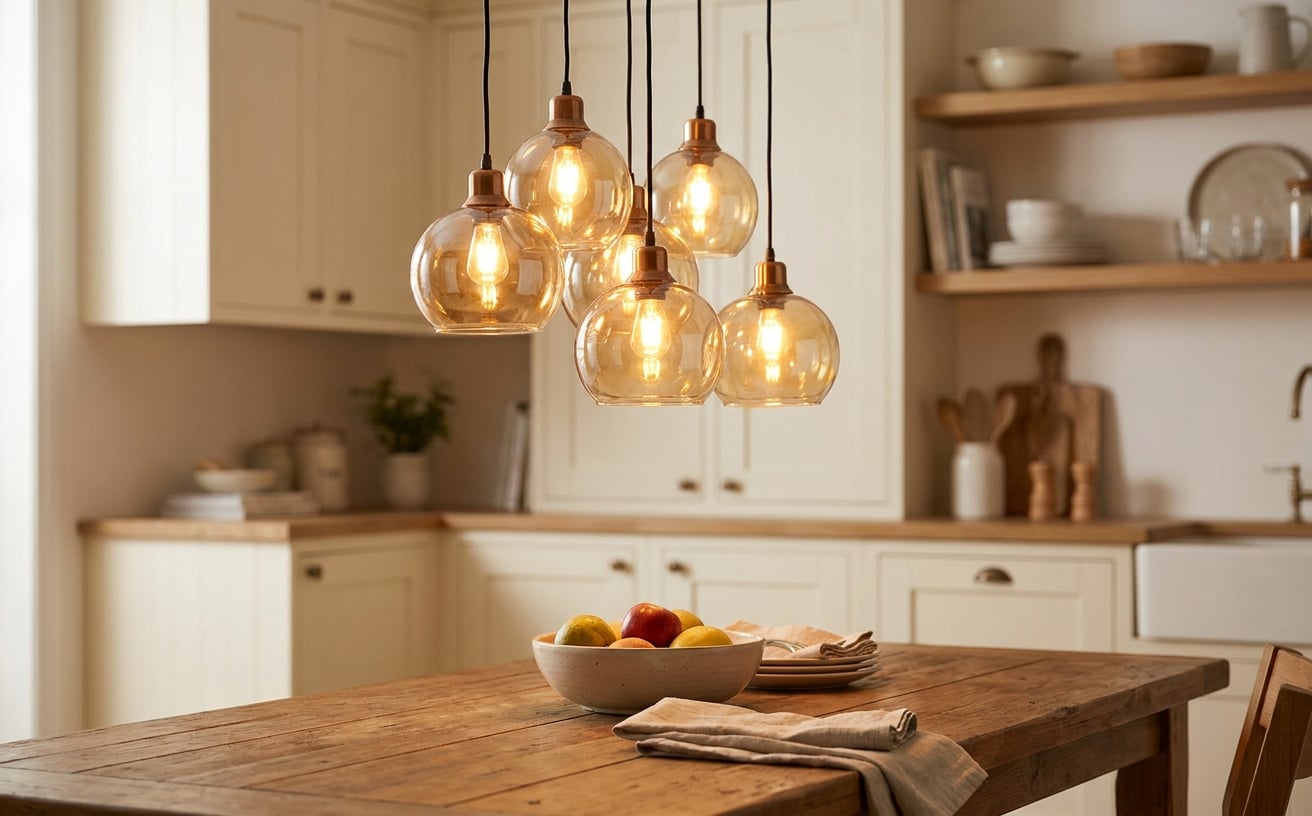
This is your general, foundational light. It fills the room and allows you to move around safely. Recessed lighting, ceiling-mounted fixtures like flush mounts, or a beautiful chandelier usually provide ambient light. If you’re shopping for ceiling lighting, our flush mount collection has a range of options at different price points that provide excellent ambient illumination.
Task Lighting
As the name suggests, task lighting is focused light for specific activities. Think about under-cabinet lights in the kitchen, a desk lamp in the home office, or reading lamps next to a sofa or bed. This type of lighting adds concentrated lumens per room where you need them most, reducing eye strain and improving functionality.
Accent Lighting
Accent lighting draws attention to specific features, like artwork, architectural details, or plants. Track lighting, picture lights, or wall sconces are common examples. This layer isn’t about overall brightness; it’s about adding visual interest and depth to your space. While it doesn’t add a huge amount to the overall lumens per room, it really enhances the room’s character.
Common Lighting Mistakes (and How to Avoid Them)
I’ve seen this go wrong when homeowners only focus on one type of light. Here are a couple of pitfalls to watch out for:
- Under-lighting: The most common mistake is not having enough total lumens per room. This makes a space feel gloomy, small, and even unwelcoming. If your room feels perpetually dim, even with lights on, you likely need more lumens.
- Over-lighting: While less common, too much light can be just as bad as too little. It creates a harsh, sterile, and uncomfortable environment. If your room feels like an operating theater, you’ve probably gone overboard on the lumens per room. Dimmers are a fantastic solution here; they let you reduce the intensity when needed.
- Not using dimmers: Dimmers are your best friend for flexibility. They allow you to adjust the light output for different times of day or activities. You might want bright light for cleaning, but a softer glow for evening relaxation. Not installing dimmers limits your control over the room’s ambiance.
For anything involving new wiring, moving existing fixtures, or installing heavy ceiling lights, I’d strongly recommend hiring a licensed electrician in your area. It’s worth every penny for peace of mind and to ensure everything is installed safely and up to code. It protects your home and ensures your beautiful new lighting works perfectly.
Frequently Asked Questions
What’s the difference between lumens and watts?
Watts measure the amount of electricity a bulb uses, while lumens measure the total amount of light it produces. For example, an LED bulb might use only 9 watts but produce 800 lumens, which is the same brightness as an old 60-watt incandescent bulb. Focus on lumens when planning your lumens per room.
Can I have too many lumens per room?
Yes, absolutely. While under-lighting is more common, having too many lumens can make a room feel overly bright, harsh, and uncomfortable. It can also cause glare and eye strain. It’s best to aim for the recommended range and use dimmers to fine-tune the brightness.
Should all my light fixtures be the same color temperature?
Not necessarily, but consistency helps. Color temperature (measured in Kelvin, K) describes the warmth or coolness of the light. For a cohesive look, it’s generally a good idea to stick to similar color temperatures within one open-concept area or adjacent rooms. For instance, you might use 2700K-3000K for warm, cozy areas and 3500K-4000K for brighter, more functional spaces like kitchens or offices.
How do dimmers affect my lumens per room?
Dimmers allow you to adjust the light output from your fixtures, effectively letting you control the total lumens per room. This flexibility is invaluable for setting different moods, conserving energy, and adapting to various tasks throughout the day. I find them indispensable in nearly every room.
When should I consult a professional for my lighting project?
You should definitely consult a licensed electrician for any complex wiring changes, installing new outlets or switches, or hanging very heavy light fixtures like large chandeliers. They ensure safety and compliance with electrical codes, which is incredibly important for your home.
Getting the lumens per room just right can transform your home. By understanding these guidelines, you’re well on your way to creating spaces that are both beautiful and perfectly functional. Feel free to explore our extensive collection of lighting to find the perfect fixtures to illuminate your home.