The shift to remote work means our homes aren’t just for living anymore; they’re our workplaces too. If you’ve been squinting at your screen or feeling drained by midday, chances are your current home office lighting isn’t serving you well. The right illumination isn’t just about seeing what you’re doing; it’s crucial for maintaining focus, reducing eye strain, and boosting your overall mood and output. Finding the best lighting for home office productivity can truly transform your workday, making a significant difference in how you feel and perform. It’s an investment in your well-being, and it’s simpler than you might think to get it right.
Understanding the Three Layers of Light
When planning your home office lighting, think in layers. Just like a well-dressed room has depth, a well-lit one uses different types of light to create a balanced and functional environment. Relying on just one ceiling fixture is a common pitfall; you’ll want a mix to get the best results.
Ambient Lighting: The Foundation of Home Office Lighting
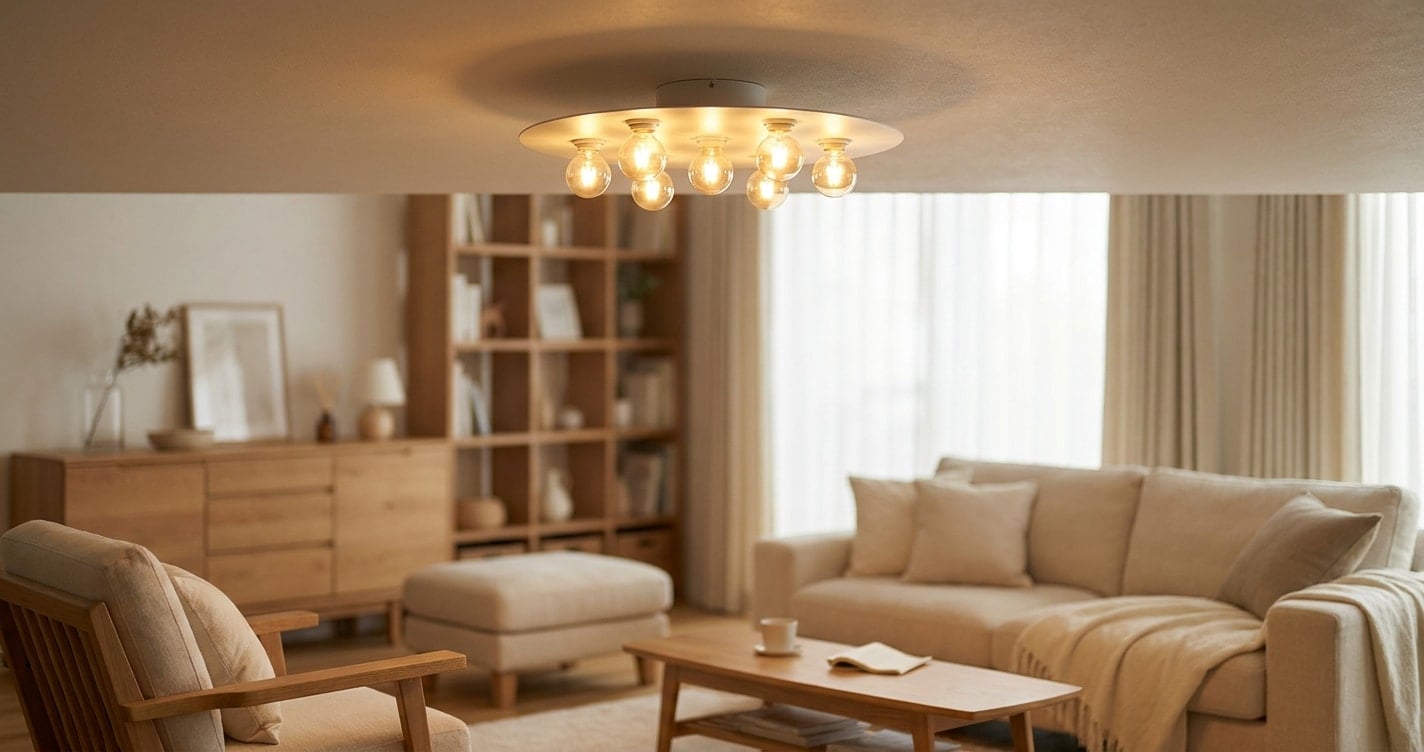
This is your general, overall illumination. It’s the light that fills the room, preventing harsh shadows and providing a base level of brightness. For a typical 10×12 foot home office, a good ceiling fixture, like a semi-flush mount or recessed lighting, often works best. You’re aiming for even light distribution without hot spots or dark corners. If your room already has recessed lights, you’ll want to ensure they’re spaced evenly, perhaps 4-6 feet apart, and that their output is sufficient for the room’s size.
Task Lighting: Your Workspace Workhorse
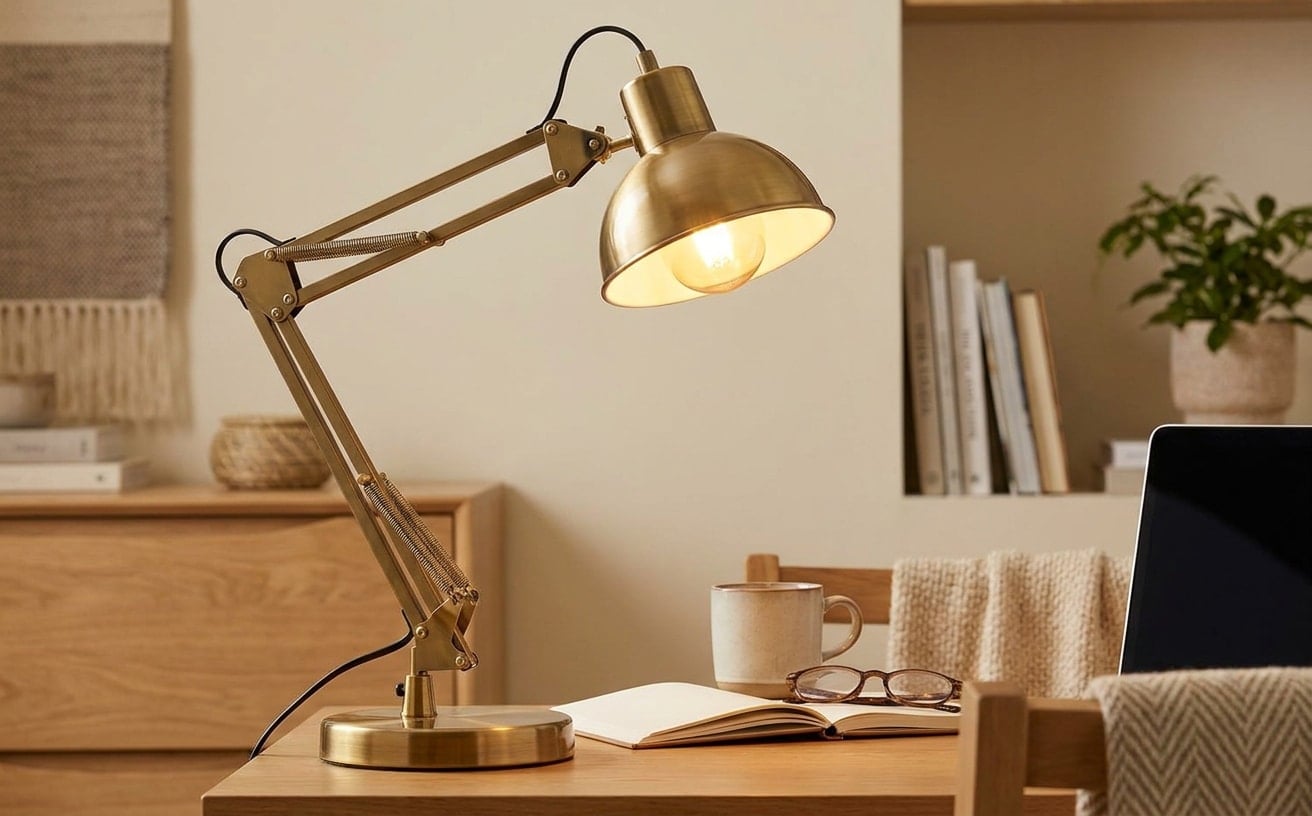
Task lighting is focused light designed for specific activities, like reading documents or typing at your computer. It’s crucial for preventing eye strain and improving clarity. A good desk lamp is a must-have for any home office. It should be positioned to shine directly on your work surface, not on your screen, and should ideally be adjustable. For right-handed people, place the lamp on your left to avoid shadows from your hand; left-handed individuals should do the opposite. You’ll find that a dedicated task light makes a huge difference in long work sessions.
Accent Lighting: Style and Substance
Accent lighting adds visual interest and highlights specific features in your office, like artwork or bookshelves. While not strictly necessary for productivity, it contributes to the overall ambiance and can make your workspace feel more inviting and less sterile. Wall sconces, small picture lights, or even a floor lamp tucked into a corner can serve this purpose. These aren’t just decorative; they add another layer of light, helping to balance the room and reduce contrast, which can also help with eye comfort.
Choosing the Right Color Temperature for Productivity
Light isn’t just bright or dim; it also has a “color temperature,” measured in Kelvin (K). This impacts your mood and alertness more than you might realize. Warmer light (around 2700K-3000K) has a soft, yellowish glow, similar to incandescent bulbs, and it’s great for relaxation. Cooler light (4000K-5000K) is a crisp, bluish-white, more like daylight, and it’s known to promote focus and energy.
For your home office lighting, you’ll generally want something in the neutral to cool range, roughly 3500K-4500K. This provides a clear, bright environment that supports concentration without feeling harsh. You might even opt for a slightly cooler temperature for your task light (e.g., 4000K) and a slightly warmer one for your ambient light (e.g., 3500K) to create a layered effect that’s both functional and comfortable.
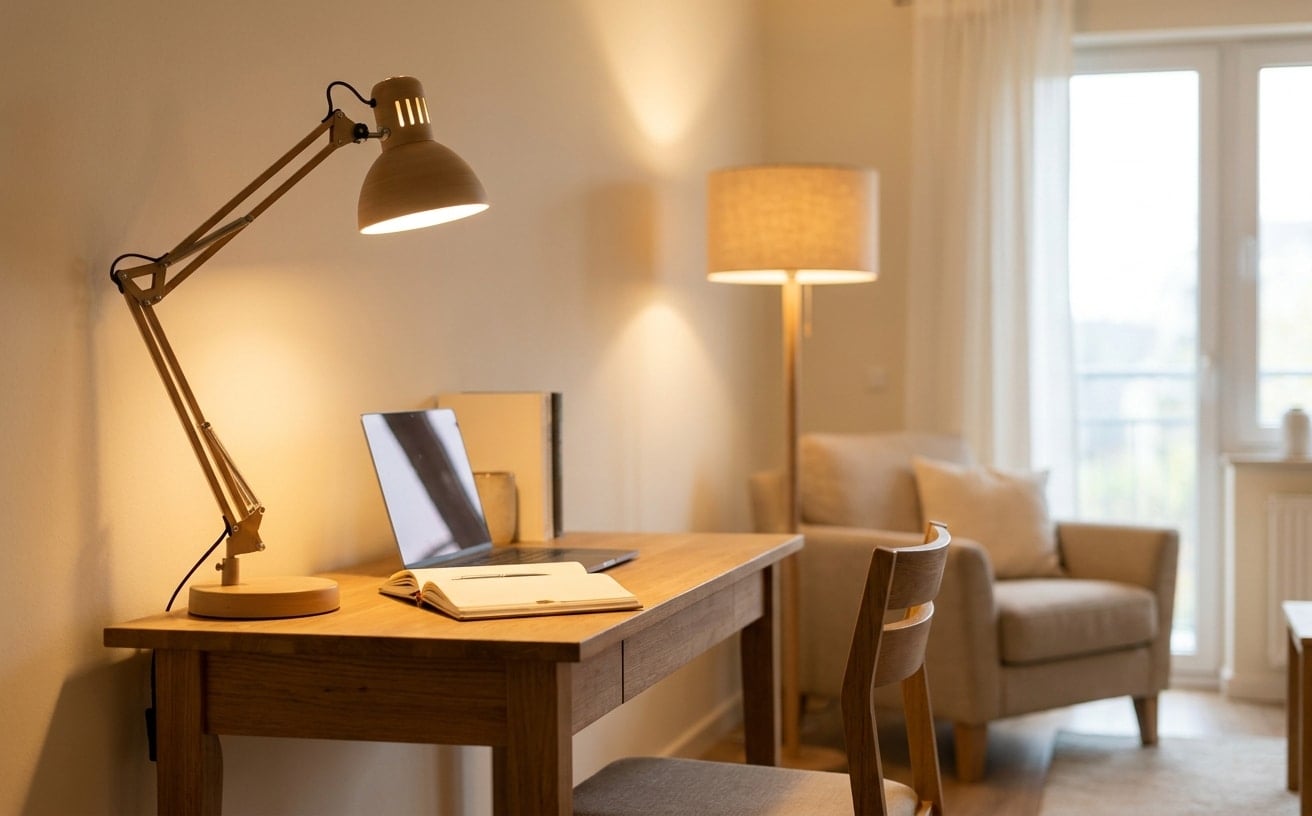
Expert Tip: Avoid mixing drastically different color temperatures in the same visual field. If your overhead light is 2700K and your desk lamp is 5000K, your eyes will constantly be adjusting, leading to fatigue. Try to keep them within 500-1000K of each other for optimal comfort.
Smart Placement: Where to Put Your Home Office Lighting
Effective placement is key to good home office lighting. It’s not just about what kind of light you have, but where it sits in relation to you and your workspace. Poor placement can lead to glare, shadows, and unnecessary eye strain, even with the best fixtures.
The first rule is to avoid direct glare on your computer screen. Position your monitor so that windows are to the side, not directly in front or behind it. Similarly, your desk lamp shouldn’t cast a harsh reflection on your screen. Try angling it so the light hits your documents or keyboard, not the screen itself. If you’re shopping for home office lighting fixtures, our desk lamp collection has a range of options at different price points that are designed for adjustable light direction.
Think about how light flows in the room. You want to minimize stark contrasts between bright and dark areas. If your desk is in a dark corner, a combination of an overhead light and a well-placed floor lamp can help balance the illumination. Dimmer switches are also incredibly useful; they allow you to adjust the brightness throughout the day, adapting to changing natural light conditions and your personal needs.
Common Mistakes with Home Office Lighting (and How to Fix Them)
It’s easy to make mistakes when setting up your workspace, and lighting is often overlooked. But with a few tweaks, you can easily improve your home office lighting setup. In my experience, one of the biggest errors people make with their home office lighting is relying solely on a single overhead fixture. This creates a harsh, flat light that casts shadows and often leaves your desk area too dark.
The Single Overhead Home Office Lighting Trap
| Pros | Cons |
|---|---|
| Simple to install | Creates shadows on your work surface |
| Basic general illumination | Often causes glare on screens |
| Leads to eye strain and fatigue | |
| Doesn’t offer flexibility for different tasks |
To fix this, introduce task lighting (a good desk lamp) and ambient light (like a floor lamp or diffused ceiling fixture). You’ll instantly notice a difference in clarity and comfort. Another common issue is too much or too little brightness. Your eyes will work harder in either scenario. The ideal is usually around 500 lumens for a desk lamp, but it depends on your specific needs and the overall room brightness.
Glare is another major culprit for discomfort. This isn’t just light shining directly into your eyes; it’s also reflections off shiny surfaces, walls, or your screen. Positioning your desk perpendicular to a window, using matte finishes on your desk and walls, and opting for lamps with diffusers can all help reduce glare. I’ve seen this go wrong when homeowners try to tackle complex wiring themselves for new overhead fixtures without proper planning, and it’s simply not worth the risk.
Integrating Natural Light: A Free Boost for Your Workspace
Natural light is the best light source you can get for your home office. It’s free, dynamic, and has been shown to improve mood, energy levels, and even sleep quality. Maximizing its presence in your office is a smart move.
Position your desk to take advantage of windows, ideally with the window to your side to prevent glare on your screen. If direct sunlight becomes too intense, sheer blinds or curtains can diffuse the light without blocking it entirely. Avoid heavy blackout curtains during the day, as they’ll make your room feel like a cave. Remember, even on cloudy days, natural light provides a valuable spectrum of light that artificial sources often can’t replicate entirely, contributing greatly to the best lighting for home office productivity.
When to Call a Pro: Electrical Work and Heavy Fixtures
While many lighting upgrades are DIY-friendly (like swapping out a desk lamp or screwing in a new bulb), some projects definitely warrant professional help. If you’re planning to install new wiring for recessed lighting, move an existing ceiling fixture, or hang a heavy chandelier, I’d strongly recommend hiring a licensed electrician in your area. It’s truly worth every penny for peace of mind and safety. Electrical work can be dangerous if you’re not experienced, and a professional ensures everything is up to code and installed correctly. Don’t hesitate to consult them for anything beyond a simple plug-and-play solution.
Frequently Asked Questions
How many lumens do I need for a home office?
For general ambient lighting in a standard home office (around 100-150 sq ft), aim for 2000-4000 lumens. For your task lamp on your desk, 500-1000 lumens is usually ideal, but always ensure it’s dimmable so you can adjust it to your comfort level.
Should I use warm or cool light for my office?
Most experts recommend a neutral to cool white light for productivity, typically in the 3500K-4500K range. This color temperature helps keep you alert and focused, reducing eye strain during long work periods. Warmer light, while cozy, can be too relaxing for a workspace.
What’s the ideal placement for a desk lamp?
Place your desk lamp on the opposite side of your dominant hand to avoid casting shadows while you work. For instance, if you’re right-handed, put the lamp on your left. Angle the light directly onto your work surface, not onto your computer screen, to prevent glare.
Can I mix different types of home office lighting?
Yes, absolutely! Mixing ambient, task, and accent lighting is the ideal approach for effective home office lighting. This layering creates a balanced, functional, and aesthetically pleasing environment that supports various tasks and promotes comfort throughout your workday.
Creating an effective workspace starts with thoughtful lighting. By layering different types of light, choosing the right color temperature, and considering smart placement, you’ll craft an environment that supports your focus and well-being. Explore our extensive collection of lighting fixtures to find the perfect pieces for your revitalized home office.