Have you ever walked into a dining room and felt like something was just… off? Often, the culprit isn’t the furniture or the paint color, but the lighting. Specifically, it’s often the dining room chandelier height. It’s a common mistake, but getting that chandelier hung at just the right spot can make all the difference, turning an awkward space into an inviting one. There’s a sweet spot, and this chandelier height guide is here to help you find it, ensuring your fixture doesn’t hang too high or too low, but perfectly.
The Golden Rule of Chandelier Height: Your Essential Chandelier Height Guide
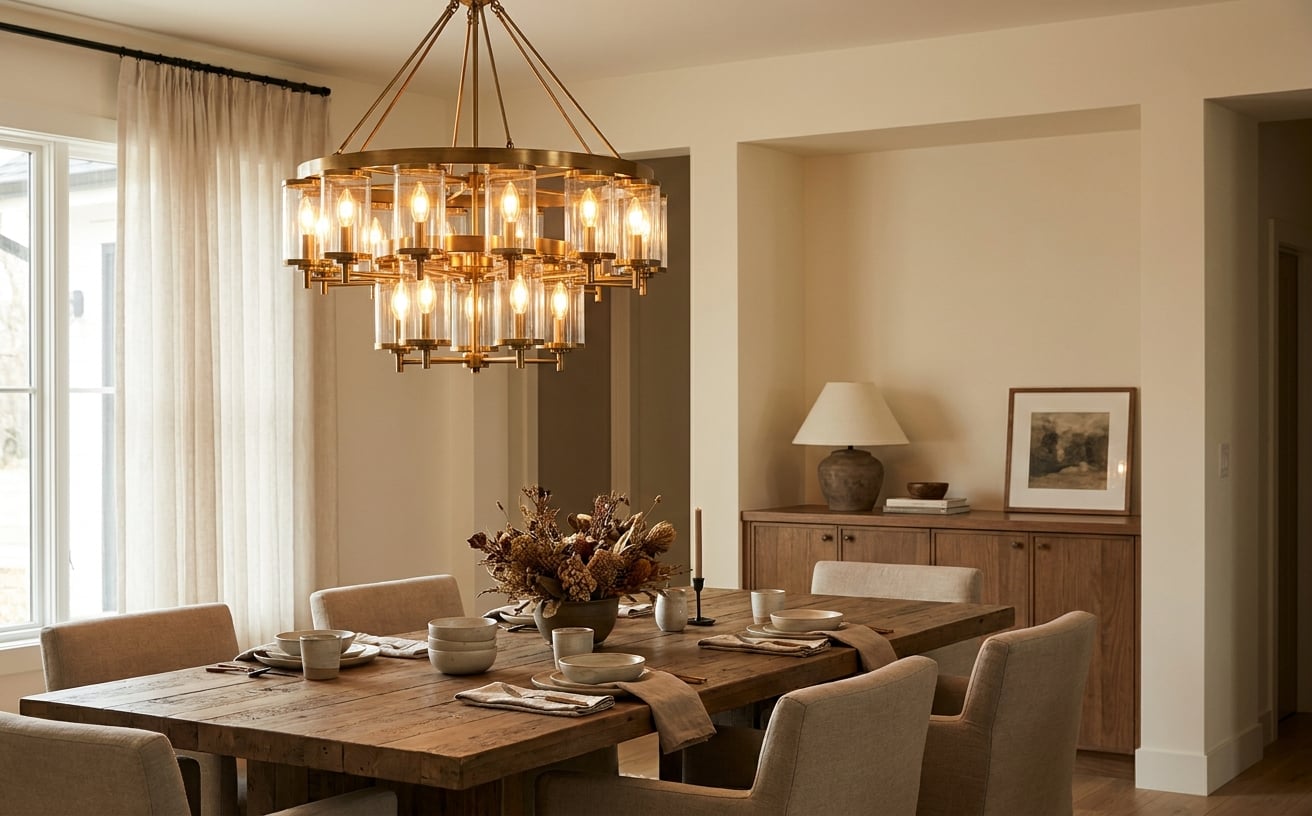
Let’s start with the most basic rule, the one you’ll hear most often: your chandelier should hang 30 to 36 inches above the top of your dining table. This isn’t just an arbitrary number, it’s a measurement rooted in comfort and functionality. This range ensures that the bottom of the fixture won’t obstruct anyone’s view across the table. It also provides ample light directly onto your meal, making everything look its best, without blinding your guests with a direct glare from the bulbs.
It’s all about creating an intimate, well-lit space for conversation and dining. You don’t want to feel like the chandelier is so high it’s lost in the ceiling, nor so low that you’re worried about bumping your head when you lean in for dessert. This standard provides a fantastic starting point for any chandelier height guide.
Expert Tip: When you’re measuring, make sure your table is already in its final position. If your table extends, measure with it fully extended. You’ll want the chandelier to look good in its most frequent configuration.
Why 30-36 Inches Works for Most Dining Room Chandelier Height Needs
Think about the dynamics of a dining experience. When your chandelier is within this range, it effectively defines the dining area. It creates a ceiling within the room, making the space feel cozier and more defined. It also ensures proper illumination. If it’s too high, the light disperses too widely, losing its focus on the table. If it’s too low, you’ll end up with harsh shadows and an uncomfortable visual barrier. This rule is truly the foundation of any good chandelier height guide.
Adjusting for Ceiling Height and Room Scale
While the 30-36 inch rule is a great baseline, it assumes a standard 8-foot ceiling. What if your dining room boasts higher ceilings? This is where we need to adjust our chandelier height guide. For every foot of ceiling height above 8 feet, you should typically add 3 inches to that initial 30-36 inch measurement.
For example, if you have a 10-foot ceiling (2 feet higher than the standard), you’d add 6 inches (2 feet x 3 inches) to your base measurement. So, your chandelier might hang 36 to 42 inches above the table. This adjustment helps the fixture maintain its visual proportion within the larger room, preventing it from looking undersized or “floating” too high.
It’s not just about the ceiling, though. Consider the overall scale of your room. A vast, open-concept dining area with a high ceiling might tolerate a slightly higher hang, even beyond the adjusted rule, to feel more connected to the room’s grandness. Conversely, a smaller, more intimate dining nook, even with a standard ceiling, might feel best with the chandelier closer to the 30-inch mark, enhancing that cozy feeling.
Visualizing Your Dining Room Chandelier Height
Sometimes, the numbers don’t tell the whole story. I’ve seen this mistake a lot: people measure precisely but forget to consider how the chandelier looks in the space. Before you cut any chain or commit to a rod length, try a temporary hang. Use string or even have someone hold the fixture (carefully!) at various heights. Take photos from different angles, sit at the table, and have others sit too. This visual test is incredibly important for finalizing your decision.
Considering Your Dining Table: Size and Shape
Your dining table isn’t just a surface for meals; it’s the anchor for your chandelier. Its size and shape play a significant role in determining the ideal chandelier height guide for your specific setup.
For a standard rectangular or oval table, you’ll want the chandelier to be roughly one-half to two-thirds the width of the table. This ensures the fixture is proportional and illuminates the entire surface without overpowering it. The height, as we’ve discussed, is still key here.
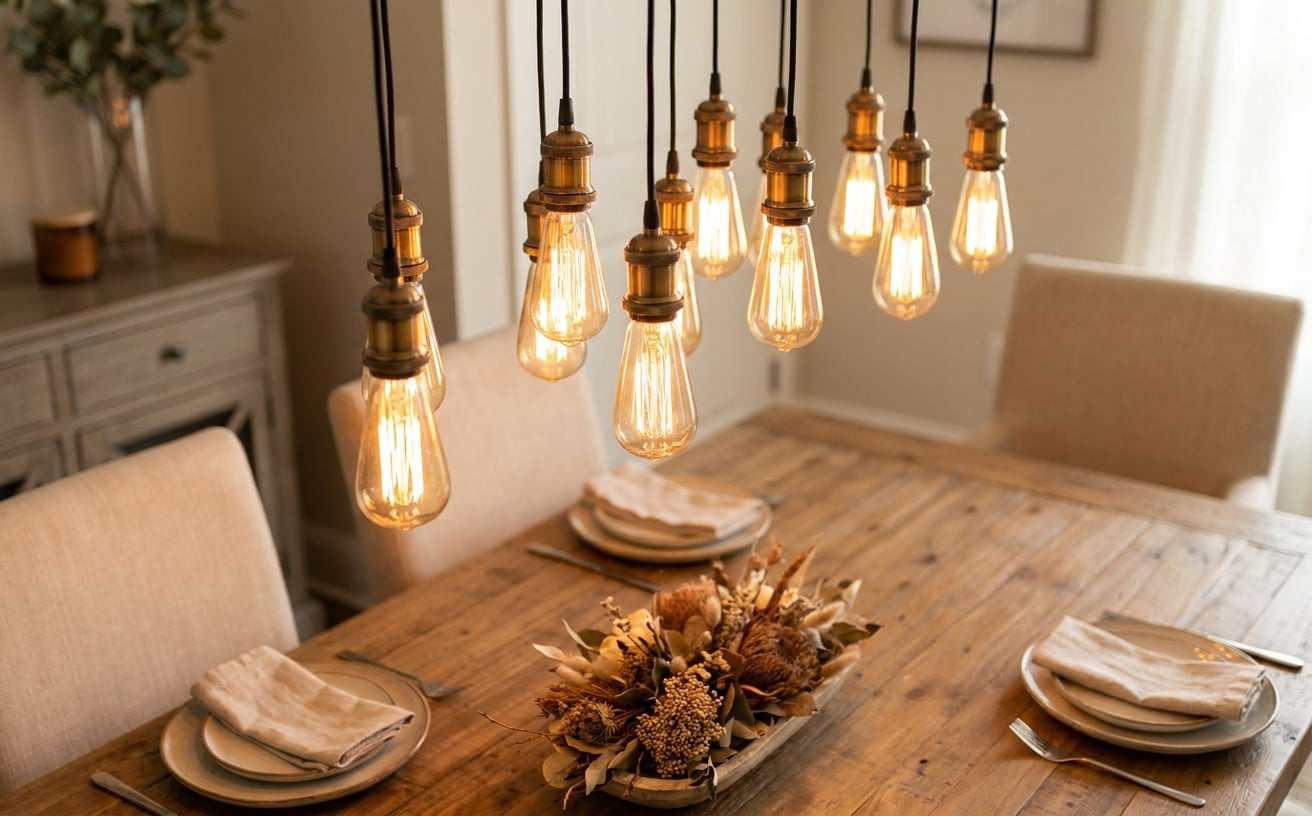
What about a very long table? Sometimes, a single chandelier just won’t cut it, even if it’s perfectly sized. In these cases, you might consider hanging two or even three smaller chandeliers or pendant lights in a row over the table. If you go this route, ensure they’re evenly spaced and each hung at the appropriate height for a harmonious look.
Round tables benefit from a central, often circular or orb-shaped chandelier. The same width rule applies: the fixture’s diameter should be about one-half to two-thirds the table’s diameter. The consistent hanging height we’ve discussed remains paramount for round tables, too.
The Visual Impact: How High Is Too High? (And Too Low?)
Finding the perfect chandelier height guide isn’t just about avoiding bumps. It’s about optimizing the visual appeal and function of your dining space. Let’s break down the pitfalls of getting it wrong.
| Pros of Correct Height | Cons of Incorrect Height |
|---|---|
| Clear sightlines | Obstructed views |
| Optimal task lighting | Glare or poor illumination |
| Defined dining area | Disconnected or cramped feel |
| Balanced aesthetic | Awkward proportions |
When a Chandelier is Too High
If your chandelier is hung too high, it’ll look like it’s floating aimlessly above your table. The light won’t be focused where you need it, often washing out the room rather than highlighting the dining surface. It can make the room feel cold and impersonal, and the chandelier itself loses its impact as a design focal point. It just won’t feel grounded or purposeful. I’ve seen this go wrong when people prioritize ceiling clearance over table interaction, and the fixture just looks lost.
When a Chandelier is Too Low
Conversely, a chandelier hung too low is arguably worse. It immediately creates a visual barrier, making conversation awkward as people peer around or under the fixture. It can feel oppressive and claustrophobic, dominating the space rather than enhancing it. There’s also the very real risk of people bumping their heads, which is never a good thing, especially at a dinner party! The illumination might be too intense directly below, creating harsh shadows, or the bulbs might be directly in your line of sight, causing uncomfortable glare. This is why a precise chandelier height guide is so important.
Practical Considerations and Installation Tips
Beyond just the height, there are a few other things to keep in mind when installing your dining room chandelier. Always make sure your fixture is properly centered over your dining table. This sounds obvious, but it’s often overlooked. Use a measuring tape to find the exact center of your table, and then mark the ceiling directly above it. If your electrical box isn’t centered, you’ll need to use a swag hook or have an electrician move the box.
Speaking of electricians, for anything involving new wiring, moving an electrical box, or hanging a particularly heavy chandelier (anything over 10 pounds, generally), I’d strongly recommend hiring a licensed electrician in your area. It’s worth every penny for peace of mind, knowing it’s safely and correctly installed. They’ve got the tools and expertise to handle the job without fuss.
Adjusting Your Chandelier’s Length
Most chandeliers come with adjustable chains or down rods. For chain-hung fixtures, you can easily remove links to shorten the chain. For rod-hung chandeliers, you’ll typically have several rod lengths that can be combined or used individually to achieve the desired height. Always consult your fixture’s specific installation instructions. If you’re shopping for modern chandeliers, our contemporary collection has a range of options at different price points, many with adjustable hanging lengths.
Consider adding a dimmer switch to your dining room chandelier. While not directly related to height, it gives you incredible flexibility to adjust the mood and ambiance, from bright task lighting for homework to a soft glow for an intimate dinner. It’s a small upgrade that makes a huge difference in how you experience your lighting.
Finally, always double-check your measurements. Measure twice, hang once! Have a friend help you hold the chandelier while you mark the final height. For anything involving new wiring or a particularly heavy chandelier, hiring a licensed electrician is always the safest bet.
Frequently Asked Questions
What if my ceiling is really high, like 10 or 12 feet?
For ceilings higher than 8 feet, you’ll typically add 3 inches to the standard 30-36 inch height for every foot above 8 feet. So, for a 10-foot ceiling, you’d add 6 inches, aiming for 36-42 inches above the table.
Can I hang more than one chandelier over my dining table?
Absolutely! For very long dining tables, two or even three smaller chandeliers or pendant lights can create a stunning and well-lit effect. Ensure they are evenly spaced and each hung at the appropriate height.
How do I know if my chandelier is the right size for my table?
A good rule of thumb is for the chandelier’s diameter to be one-half to two-thirds the width of your dining table. This ensures it’s proportional and provides adequate light without overpowering the table.
Is it okay if the chandelier blocks a little bit of the view?
No, ideally the bottom of your chandelier should not obstruct anyone’s view across the table. The 30-36 inch rule (or adjusted height for higher ceilings) is designed specifically to maintain clear sightlines while seated.
When should I call an electrician for chandelier installation?
You should always call a licensed electrician for any new wiring, if you need to move an existing electrical box, or if your chandelier is particularly heavy (over 10 pounds). It ensures a safe and compliant installation.
Getting your dining room chandelier height just right can truly transform your space, making it both functional and beautiful. Take your time, measure carefully, and trust your eye. If you’re ready to find the perfect fixture for your dining room, feel free to browse our extensive collection of chandeliers.