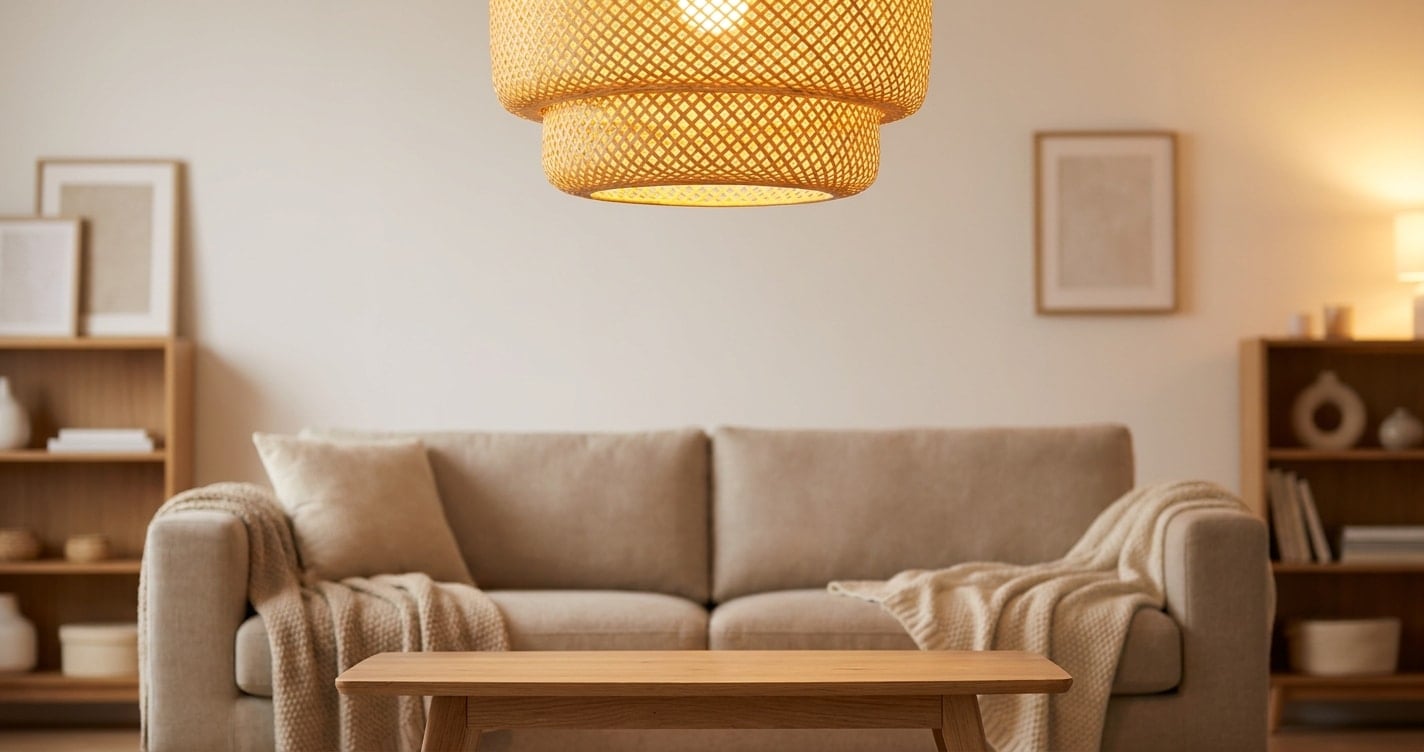
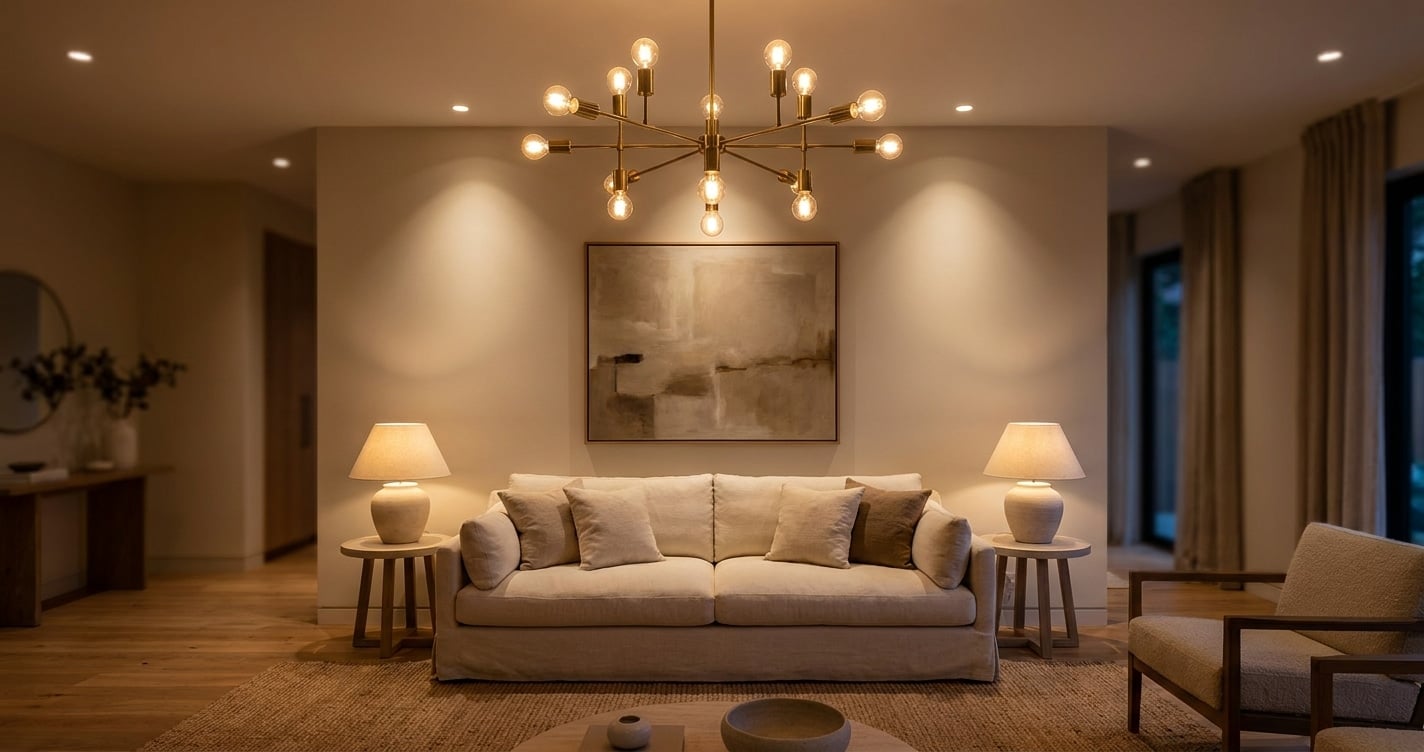
You’ve just invested in a gorgeous new light fixture, maybe a stunning chandelier for the dining room or sleek vanity lights for your bathroom. You get it home, hang it up, and then comes the moment of truth: which light bulb do you actually put in it? It’s not as simple as grabbing the cheapest pack anymore, is it? The right bulb can make or break a room’s entire feel, affecting everything from how colors look to your own mood. Don’t let a poor bulb choice dim your design dreams. Understanding lumens, color temperature, and shape is key if you want to pick the right bulb for every single fixture in your home. It’s a skill every homeowner needs, and I’m here to walk you through how to pick right light bulb every time.
Understanding Lumens: How Bright is Bright Enough?
When you’re trying to pick the right bulb, the first thing most people think about is brightness. For years, we relied on watts to tell us how bright a bulb was, but that’s really a measure of energy consumption. With modern LED bulbs, a low wattage can produce a lot of light. That’s why we now use lumens to measure brightness. The higher the lumen count, the brighter the light.
So, how many lumens do you need? It really depends on the room and its purpose. You don’t want your cozy reading nook to feel like an operating room, right? In my experience, the number one error is choosing bulbs that are too bright for the space, especially in bedrooms.
Here’s a general guide:
- Living Rooms & Bedrooms: You’ll want about 1,500 to 3,000 lumens total for a typical 10×12 foot room. This usually means several fixtures or bulbs, so aim for 400-800 lumens per bulb in a multi-bulb fixture. If you’re using a single floor lamp, you might want closer to 800-1,000 lumens from that one bulb.
- Kitchens & Bathrooms: These are task-oriented spaces. You’ll need more light, usually between 3,000 and 6,000 lumens for a standard kitchen. This might break down to 800-1,000 lumens per recessed light, plus under-cabinet lighting. For bathrooms, especially around mirrors, aim for bright, even light, perhaps 600-800 lumens per vanity bulb.
- Dining Rooms: This space is tricky because you want both ambient light and the option for intimate dining. A good range is 2,000 to 4,000 lumens, often controlled by a dimmer. This lets you adjust the mood easily.
Always check your fixture’s maximum wattage rating. Even with energy-efficient LEDs, you don’t want to exceed this, as it relates to heat dissipation and electrical safety. If you’re unsure about installing new dimmers or have any wiring questions, I’d strongly recommend hiring a licensed electrician in your area. It’s worth every penny for peace of mind and to ensure everything is up to code.
The Vibe Setter: Decoding Color Temperature
Lumens tell you how bright a bulb is, but color temperature tells you what kind of light it is. Measured in Kelvin (K), color temperature dictates the warmth or coolness of the light. This is where the “vibe” of your room really comes from. It’s often overlooked, but it’s crucial when you want to pick the right bulb for ambiance.
- Warm White (2200K – 3000K): This is the cozy, inviting light of traditional incandescent bulbs. It has a yellowish tint that feels comforting and relaxing. It’s perfect for living rooms, bedrooms, and dining rooms where you want a soft, intimate atmosphere. Think about a flickering fireplace or candlelight.
- Neutral White / Cool White (3000K – 4000K): This light is brighter and more modern. It’s less yellow than warm white but not stark blue. It’s great for kitchens, bathrooms, home offices, and workspaces where you need good visibility without feeling clinical. It helps colors appear truer.
- Daylight (4000K – 6500K): This mimics natural daylight, with a bluish-white appearance. It’s energizing and excellent for tasks requiring high concentration, like workshops, garages, or reading nooks if you prefer a very crisp light. However, it can feel harsh in a living space.
Expert Tip: Don’t mix wildly different color temperatures in the same open-concept room. While you can vary slightly (e.g., 2700K in a living area and 3000K in an adjacent kitchen), a jump from 2700K to 5000K in the same sightline will look jarring and unbalanced. Consistency is key for a cohesive feel.
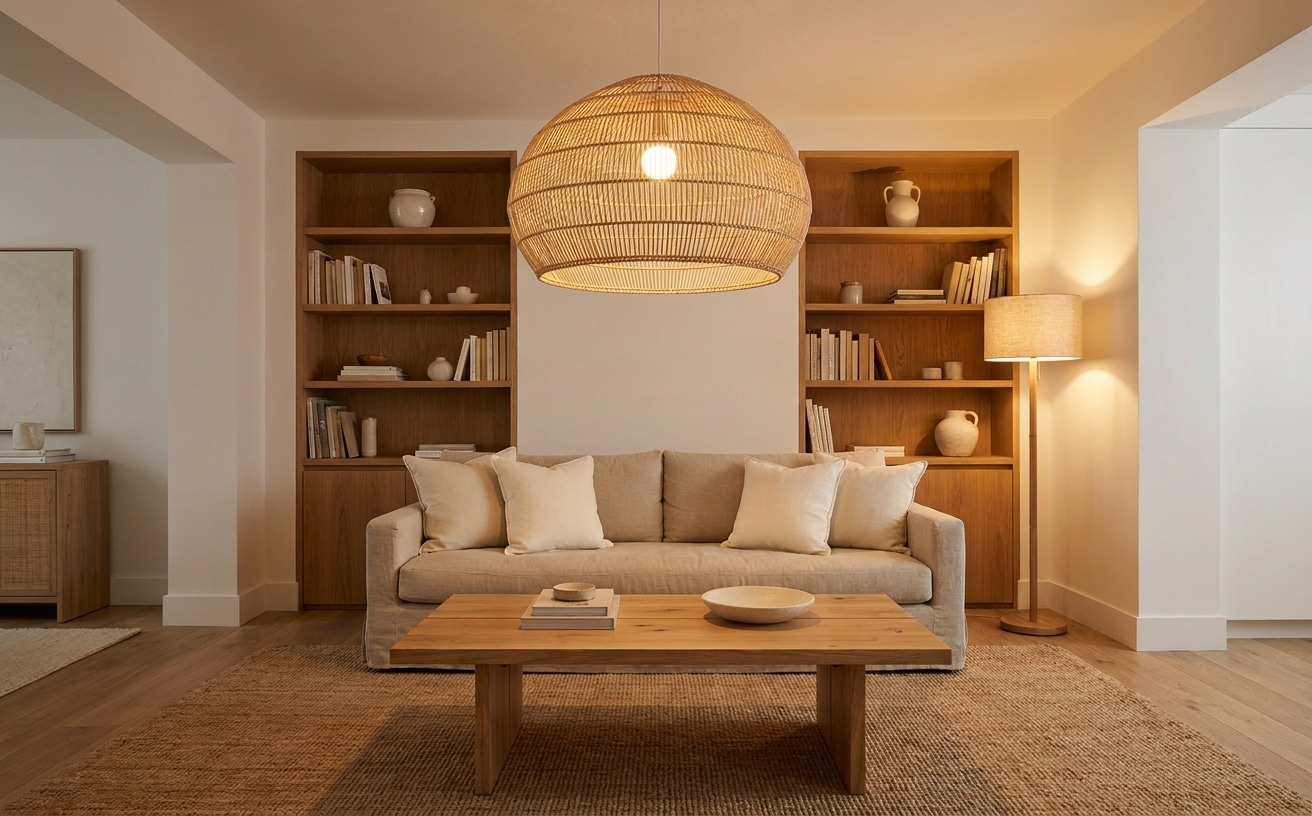
Consider what you do in each room. For a living room where you relax and entertain, a warm 2700K or 3000K is ideal. For a laundry room where you need to spot stains, a brighter 4000K might be a better choice. It’s all about matching the light’s mood to the room’s function.
Shaping Up: Bulb Types and Sizes
Once you’ve got lumens and color temperature down, it’s time to think about the physical shape and size of the bulb. This is where compatibility with your fixture comes in. You can have the perfect brightness and color, but if the bulb doesn’t fit, it’s useless! This is a practical step to pick the right bulb.
Here are some common bulb shapes and where you’ll typically find them:
- A19: This is your standard, pear-shaped bulb. It’s the most common and fits most lamps, ceiling fixtures, and general lighting applications.
- B10 / Candelabra (E12 Base): These are smaller, often torpedo or flame-tip shaped bulbs. You’ll find them in chandeliers, wall sconces, and decorative fixtures where a smaller, more elegant bulb is needed. The E12 base is smaller than the standard E26.
- G25 / Globe: These round bulbs are frequently used in bathroom vanity lights where the bulb is exposed. Their spherical shape provides a clean, decorative look.
- MR16 / GU10: These are directional bulbs, often used in track lighting or recessed fixtures to highlight specific areas. They have a flat face and a distinct two-pin base (MR16) or a twist-and-lock base (GU10).
- BR / PAR: These are also directional bulbs, often used for recessed lighting. BR (Bulged Reflector) bulbs offer a wider beam, while PAR (Parabolic Aluminized Reflector) bulbs provide a more focused beam. They come in various diameters like BR30 or PAR38.
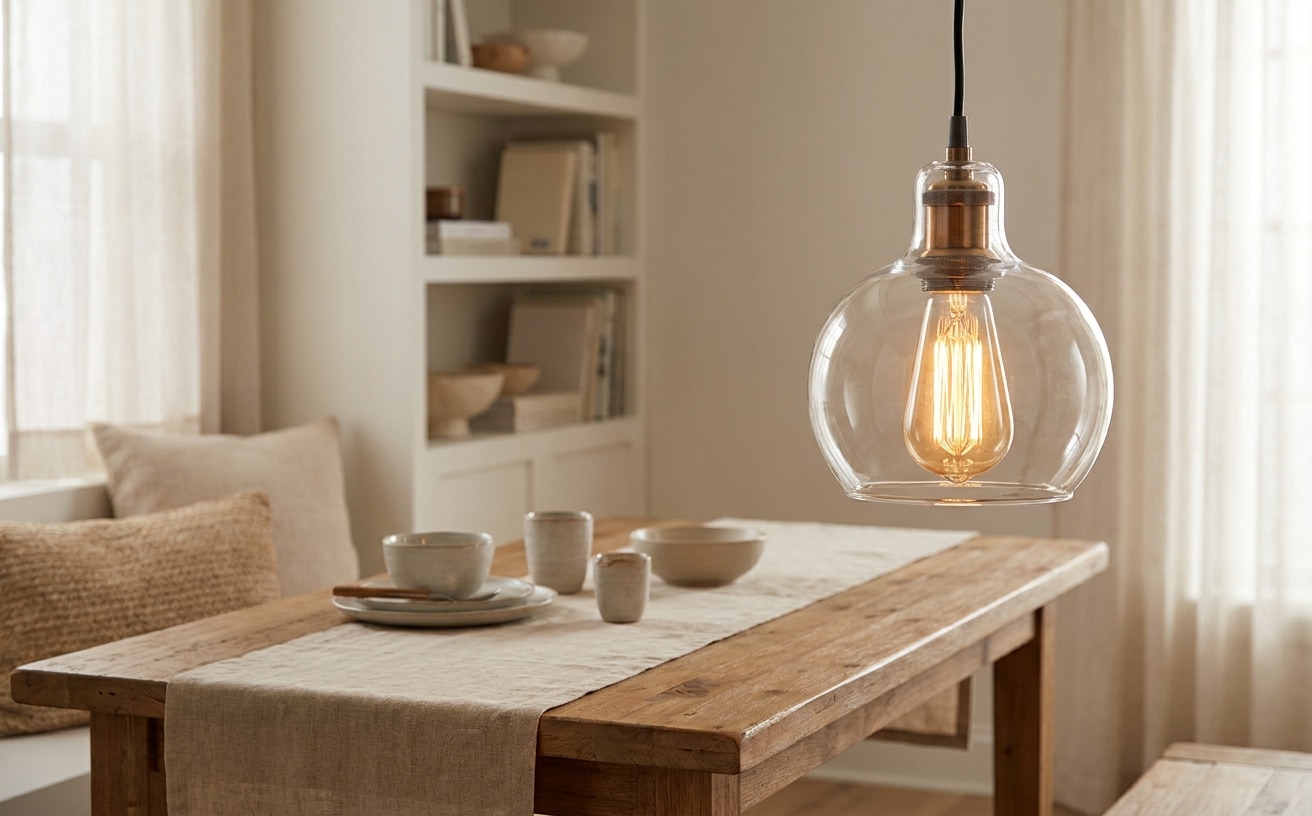
- Edison / Filament: These bulbs have a vintage aesthetic, showcasing the filament inside. They often have a warm, amber glow and are popular in exposed bulb fixtures like industrial pendants or decorative lamps.
Always check the base type (e.g., E26 for standard, E12 for candelabra) and the physical dimensions of the bulb against your fixture’s requirements. Sometimes, a bulb might have the right base but be too long or too wide to fit within a shade or housing.
If you’re shopping for new pendant lights, our pendant lighting collection has a range of options that highlight different bulb shapes and styles, making it easier to visualize the final look.
Beyond the Basics: Dimmers, Smart Bulbs, and Special Features
Once you’re comfortable with lumens, color temperature, and shape, you can start exploring some advanced features that truly customize your lighting experience. Knowing how to pick right light bulb with these extras can really elevate your space.
Dimmability
Not all LED bulbs are dimmable. If you want to adjust the light output, you must purchase bulbs specifically marked as “dimmable.” You’ll also need a compatible LED dimmer switch. Using a non-dimmable LED bulb on a dimmer switch can lead to flickering, buzzing, or premature bulb failure. For dimmers that control multiple lights or for new installations, always consult a licensed electrician to ensure proper wiring and compatibility.
Smart Bulbs
Smart bulbs connect to your home’s Wi-Fi or a smart home hub, letting you control them with an app, voice commands, or automated schedules. Many offer adjustable color temperature and even millions of color options. They’re fantastic for creating dynamic scenes or changing the mood with a tap. Just be sure your smart bulb is compatible with your existing smart home ecosystem (e.g., Apple HomeKit, Google Home, Amazon Alexa).
Specialty Bulbs
- Filament LEDs: These combine the energy efficiency of LEDs with the classic look of incandescent Edison bulbs. They’re perfect for adding a touch of vintage charm to exposed fixtures.
- Three-Way Bulbs: Designed for three-way lamps, these bulbs offer three different brightness levels (e.g., 50/100/150 watts equivalent) with a specific type of three-way socket.
- Outdoor/Wet Location Bulbs: For exterior fixtures, make sure your bulbs are rated for outdoor or wet conditions. They’re built to withstand temperature changes and moisture.
Matching the Bulb to the Fixture: A Practical Guide
This is where all the knowledge comes together. Let’s look at how to pick the right bulb for specific fixture types you might have around your home.
Chandeliers
For chandeliers, especially multi-arm designs, you’re often looking for candelabra (E12 base) bulbs, typically in a B10 (torpedo) or flame-tip shape. You’ll want a warmer color temperature (2200K-3000K) to create an elegant, inviting glow. The total lumen output will depend on the number of bulbs. If your chandelier has 8 arms, and each bulb is 400 lumens, you’re getting 3200 total lumens, which is great for a dining room.
Recessed Lighting
Recessed lights often use BR or PAR type bulbs (like BR30, BR40, PAR20, PAR30, PAR38). Pay attention to the beam angle (how wide the light spreads). A narrow beam (e.g., 25-degree) is good for highlighting artwork, while a wide beam (e.g., 100-degree) is better for general room illumination. Color temperature depends on the room: 3000K-4000K for kitchens and bathrooms, 2700K-3000K for living rooms. Always check the fixture’s housing type (IC-rated for direct insulation contact, non-IC if insulation must be kept away).
Vanity Lights
Bathroom vanity lights often use G25 globe bulbs or sometimes B10 candelabra bulbs. You’ll want a neutral white (3000K-4000K) to provide true-to-life color rendering for makeup application or shaving. Aim for even light, so avoid bulbs that cast harsh shadows. A good rule of thumb for a typical vanity is 600-800 lumens per bulb, aiming for total light output of 1500-2500 lumens across the vanity.
Table and Floor Lamps
Most table and floor lamps use standard A19 bulbs with an E26 base. Here, you have the most flexibility. For reading lamps, you might prefer a brighter 3000K-4000K, while a mood lamp in a living room would benefit from a softer 2700K. Consider dimmable options for maximum versatility.
How to Pick the Right Bulb for Outdoor Fixtures
For outdoor lighting, you need bulbs rated for outdoor or damp/wet locations. These are designed to withstand the elements. Consider the fixture’s purpose: bright security lighting might use 4000K-5000K daylight bulbs, while pathway lights could be warmer 2700K to create ambiance. Ensure the base type matches your outdoor fixture.
Frequently Asked Questions
Can I use any LED bulb in any fixture?
No, not necessarily. You must ensure the bulb’s base type (e.g., E26, E12) matches the fixture’s socket. Also, check the physical dimensions so the bulb fits within the fixture’s housing or shade. Finally, verify the fixture’s maximum wattage rating, even for LEDs, as it relates to heat dissipation.
What’s the difference between soft white and warm white?
These terms are often used interchangeably, but “soft white” usually refers to the warmer end of the spectrum, around 2700K-3000K, which mimics traditional incandescent light. “Warm white” is generally in the same range. The key is to look at the Kelvin (K) number on the packaging for a precise measure of color temperature.
How do I know if a bulb will fit my fixture?
Check the bulb’s base type (E26, E12, GU10, etc.) and the fixture’s socket type. Then, compare the bulb’s diameter and length (usually listed on the packaging) to the available space within your fixture or shade. It’s often helpful to measure the previous bulb or the fixture itself.
Do brighter bulbs use more energy?
Not always, especially with LED technology. Brightness is measured in lumens, while energy consumption is measured in watts. An LED bulb can produce many more lumens (brightness) with far fewer watts (energy consumption) than an old incandescent bulb. So, a brighter LED doesn’t necessarily mean higher energy use.
Picking the right bulb can truly transform a room, making it feel just right. By understanding lumens, color temperature, and bulb shape, you’re well-equipped to create the perfect lighting in every corner of your home. Feel free to explore our extensive collection of lighting to find the ideal fixtures and bulbs that bring your vision to life.