You’ve finally picked out that perfect new light fixture, brought it home, screwed in the bulb, and then… whoa. The light is either too yellow, making everything look dingy, or it’s blindingly blue, like an operating room. It’s a common dilemma, and it usually boils down to choosing the right color temperature. Understanding the difference between warm white vs cool white lighting isn’t just about aesthetics, it’s about creating the right mood and functionality for every space in your home. It can genuinely change how a room feels and how you use it. Let’s break down how to get it right.
Understanding Color Temperature: What Do the Numbers Mean?
Before we dive into which temperature goes where, it’s helpful to understand what these terms actually mean. Light color, or color temperature, is measured on the Kelvin (K) scale. The lower the Kelvin number, the warmer and more yellow the light appears. The higher the number, the cooler and bluer the light becomes. It might seem counterintuitive at first, but you’ll get used to it quickly.
Think of it like this:
* 2000K-3000K: This is your “warm white” range. It mimics the soft glow of candlelight or an incandescent bulb, with hues of orange and yellow.
* 3100K-4500K: This is often called “neutral white” or “cool white.” It’s a brighter, whiter light with less yellow, sometimes with a very slight blue tint.
* 4600K-6500K+: This is where you get into “daylight” or “cool white” territory. It’s very crisp, bright white, often with a distinct blue cast, similar to natural daylight on a clear afternoon.
It’s not just about what looks good. Color temperature actually affects our perception and even our circadian rhythm. Cooler light can suppress melatonin, making us feel more alert, while warmer light can promote relaxation. That’s why you don’t want bright, blue light in your bedroom right before bed.
The Basics of Warm White vs Cool White
When you’re standing in the bulb aisle, the primary choice you’ll face is often between something labeled “soft white” or “warm white” and “daylight” or “cool white.” The packaging will also show the Kelvin rating. Don’t be afraid to look at the numbers. They’re your best guide, even if the descriptive words vary by brand. You’ll find that most residential lighting falls somewhere between 2700K and 5000K. Going too far outside those boundaries can create an uncomfortable or unnatural feel in a home setting.
Warm White vs. Cool White: The Feel and Function
Let’s compare the characteristics of each general category. This isn’t just about personal preference, it’s about what each temperature naturally lends itself to.
| Pros (Warm White: 2700K-3000K) | Cons (Warm White: 2700K-3000K) |
|---|---|
| Creates a cozy, inviting, relaxing atmosphere | Can make colors appear yellowed or muted |
| Evokes a traditional, classic feel | Less effective for task lighting, can strain eyes |
| Ideal for comfort and unwinding | May feel dim or old-fashioned in modern spaces |
| Enhances warm wood tones and natural materials | Not ideal for detailed work or applying makeup |
| Pros (Cool White/Daylight: 4000K-5000K+) | Cons (Cool White/Daylight: 4000K-5000K+) |
|---|---|
| Promotes alertness and focus | Can feel stark, sterile, or institutional |
| Excellent for task lighting and visibility | May make a room feel cold and unwelcoming |
| Modern, clean aesthetic, good for contemporary spaces | Can disrupt sleep patterns if used in evenings |
| Helps colors appear truer, great for detailed work | Harsh on the eyes in relaxation areas |
Expert Tip: Don’t just look at the wattage (or lumens). Always check the Kelvin number. Lumens tell you brightness, but Kelvin tells you the actual color of that brightness. A 1000-lumen, 2700K bulb will be very different from a 1000-lumen, 5000K bulb.
Choosing Color Temperature for Specific Rooms
Now, let’s get down to the practical application. What’s the right choice for each area of your home? Remember, these are general guidelines, and personal preference always plays a part.
Living Room: Warm and Welcoming
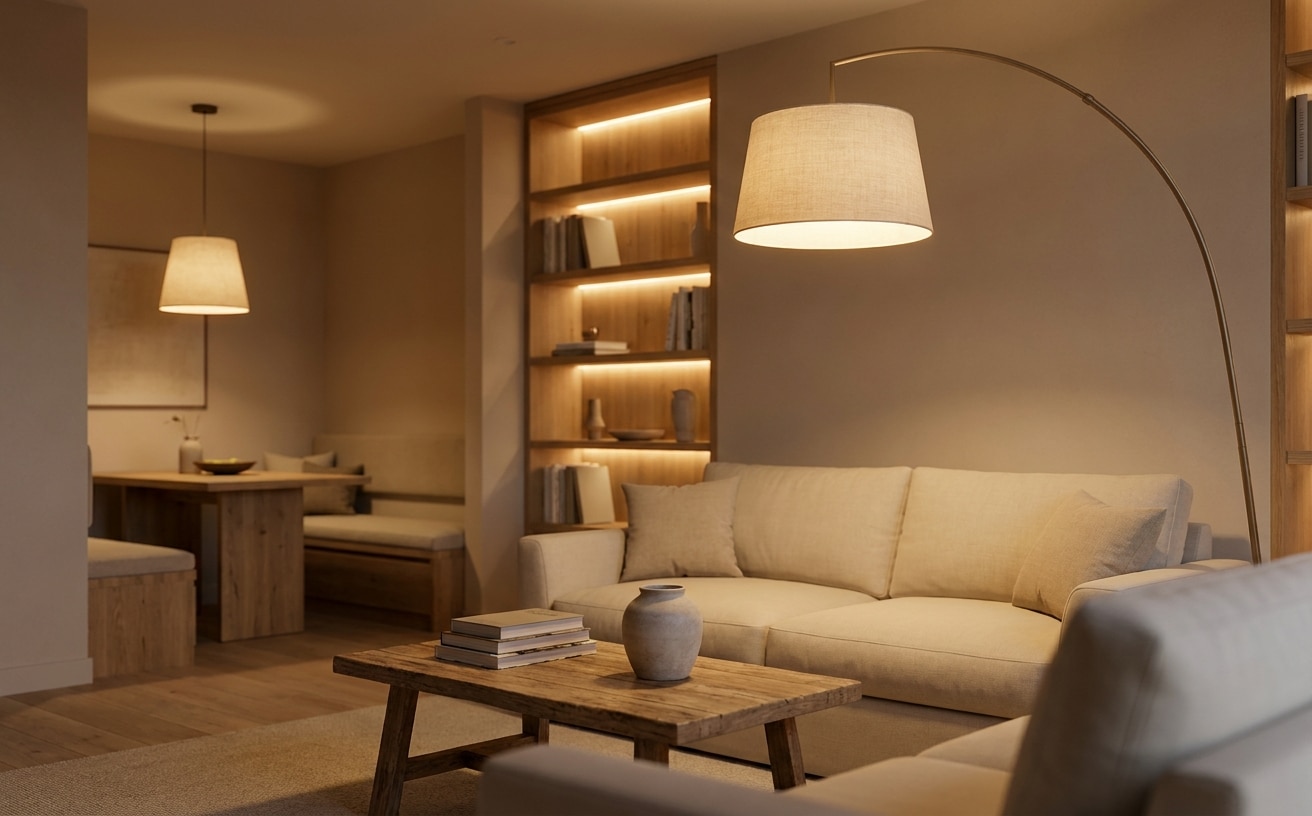
For living rooms, you’re usually aiming for comfort and conversation. A warm white vs cool white debate here leans heavily towards the warmer side. I’d recommend sticking to 2700K-3000K. This range creates a soft, inviting glow that makes the space feel intimate and relaxed. It’s perfect for unwinding after a long day or hosting friends. If you have a reading nook, you might consider a small task lamp with a slightly higher temperature, perhaps 3000K-3500K, but keep the overall ambient lighting warm. Dimmers are absolutely essential here.
Bedroom: Your Cozy Retreat
The bedroom is all about relaxation and rest. You definitely want soft, warm light here. Stick to 2700K, maybe 2200K for a really amber, traditional feel. This helps your body wind down and prepares you for sleep. Avoid anything over 3000K in your main bedroom lighting, as it can disrupt your sleep cycle. Bedside lamps can be 2700K-3000K, and again, dimmers are your best friend. You’ll appreciate the flexibility.
Dining Room: Ambience and Appetite
Similar to the living room, the dining room thrives on warmth and ambiance. You want your food to look appealing and your guests to feel comfortable. A 2700K-3000K temperature is ideal for creating an inviting atmosphere. It complements candlelight beautifully and enhances the natural colors of food. I’ve seen this go wrong when someone uses a very cool light over a dining table; it just makes everything, including your delicious meal, look unappetizing.
Kitchen: A Mix of Function and Comfort
The kitchen is often where the warm white vs cool white lighting discussion gets interesting. You need good visibility for cooking and cleaning, but you also want a welcoming space, especially if it’s an open-concept kitchen that flows into a living area.
- General Ambient Lighting: For overall ceiling fixtures like recessed lights or flush mounts, 3000K-3500K is often a good compromise. It’s bright enough to be functional but still has a touch of warmth.
- Task Lighting (under cabinet, over island): Here, you can go a bit brighter for clarity. 3500K-4000K works well for under-cabinet lighting or pendants over an island where you’re chopping vegetables. It provides excellent color rendering, so you can see what you’re doing accurately.
Expert Tip: If your kitchen is open to a living or dining area, try to keep the general ambient lighting in both spaces relatively close in temperature (e.g., 3000K in the kitchen, 2700K in the living room). A sudden jump from warm to cool can be jarring.
Making the Right Warm White vs. Cool White Choice for Your Kitchen
It’s all about balance in the kitchen. If you’re shopping for kitchen island pendants, our modern pendant collection has a range of options at different price points, and many are compatible with interchangeable bulbs so you can dial in the right color temperature. You can use a slightly cooler temperature for focused task areas and a warmer one for overall ambient light, provided they blend well.
Bathroom: True Colors and Cleanliness
For bathrooms, you need light that’s bright enough for grooming, makeup application, and shaving, but not so harsh that it’s unflattering. 3000K-4000K is usually the sweet spot.
* 3000K-3500K: Offers a warm, clean light that’s flattering for skin tones.
* 4000K: Provides a very clear, neutral light, excellent for detailed tasks like applying makeup, but make sure it isn’t too blue.
Avoid anything below 2700K (too yellow, can make you look sallow) or above 5000K (too blue, can create harsh shadows and make the space feel clinical).
Home Office/Study: Focus and Productivity
This is where cooler temperatures shine. For a home office or study, 3500K-5000K is ideal. This range promotes alertness, concentration, and reduces eye strain during long periods of work. If you’re doing detailed work like drafting or intricate crafts, 4000K-5000K can be incredibly beneficial. My preference is usually around 4000K, as it’s bright and clear without feeling sterile.
Hallways, Entryways, and Laundry Rooms: Functional Brightness
- Hallways & Entryways: You want these spaces to be welcoming but also well-lit for safety. 3000K-3500K is a good versatile choice. It offers enough clarity without being overly cool.
- Laundry Room/Utility Rooms: These are purely functional spaces. You need to see stains and sort clothes accurately. 4000K-5000K is perfect here. It’s bright, crisp, and helps with detailed tasks.
Layering Light: It’s Not Just One Temperature
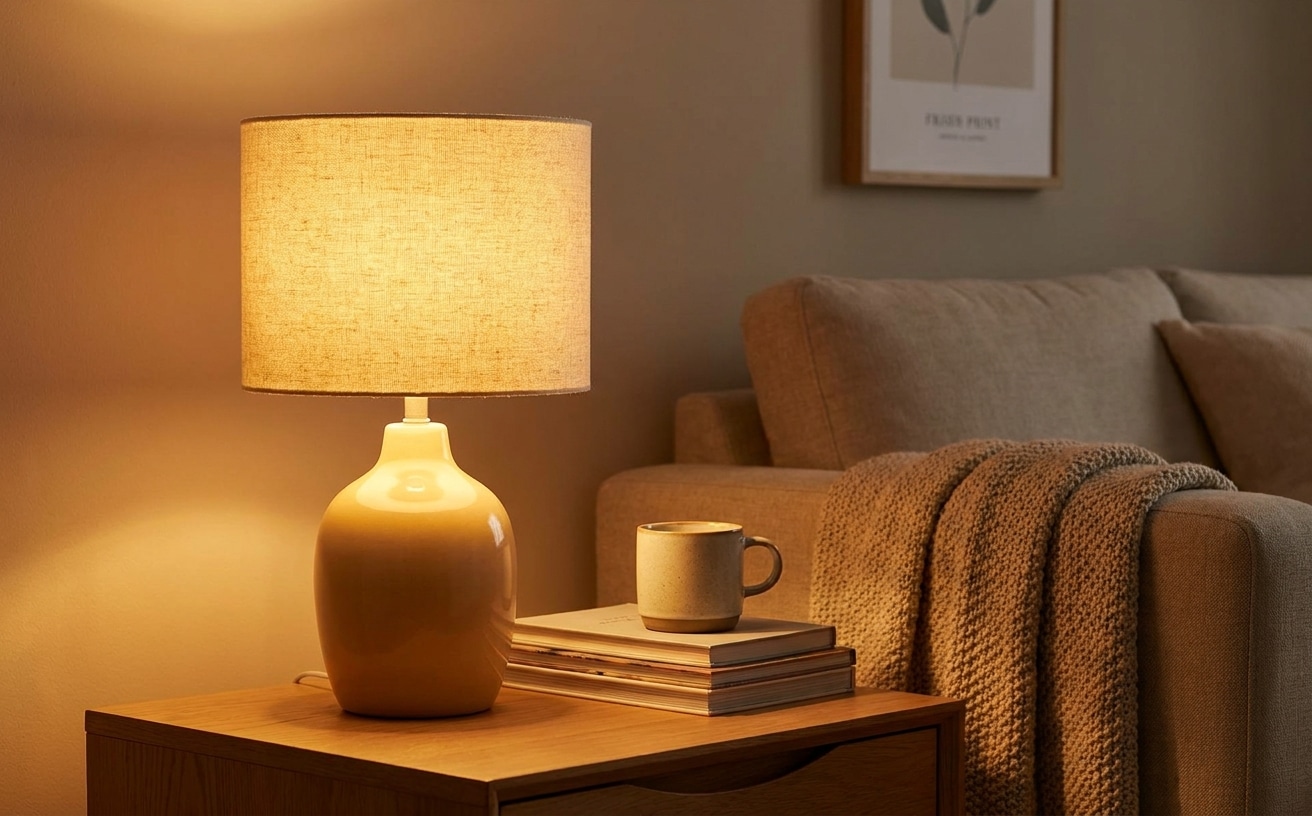
One of the biggest mistakes people make is thinking they need to pick one color temperature for an entire room and stick to it. In reality, successful lighting design often involves layering different types of light: ambient, task, and accent. You can absolutely use different color temperatures within the same room, especially if it’s a larger space with multiple functions.
For example, in a large open-concept kitchen and living area, you might use 3000K for your general recessed lighting in both spaces, but then add 2700K lamps in the living room for accent lighting and 4000K under-cabinet lights for task lighting in the kitchen. The key is to make sure the transitions feel natural and intentional. Dimmers are crucial here; they allow you to adjust the intensity of each layer, further fine-tuning the mood.
For anything involving new wiring, adding new fixtures, or moving existing junction boxes, I’d strongly recommend hiring a licensed electrician in your area. It’s worth every penny for peace of mind and safety, especially when you’re creating a complex layered lighting scheme.
Common Mistakes to Avoid When Choosing Color Temperature
- Too Cool in Relaxation Zones: Using 4000K or 5000K in a bedroom or living room instantly kills any cozy vibe. It can make the space feel unwelcoming.
- Too Warm for Task Areas: Trying to do detailed work under 2700K light will lead to eye strain and frustration. You won’t see colors accurately.
- Mixing Wildly Different Temperatures: While layering is good, having a 2700K floor lamp right next to a 5000K ceiling fixture in a small, cohesive space can look chaotic and unintentional. Aim for subtle shifts.
- Ignoring Wall Colors: Light wall colors will reflect more of the light’s color temperature, making a cool light feel even cooler. Darker walls absorb more, potentially making a warm light feel dimmer. Always test a bulb in your actual space.
- Forgetting Dimmers: Dimmers give you so much control. They allow you to adjust the intensity of the light, which can subtly change how a color temperature feels in the moment. You’ll never regret adding them.
Frequently Asked Questions
Can I mix warm white and cool white in the same room?
Yes, you can mix them, but do it thoughtfully. Use warmer temperatures for ambient and accent lighting to create mood, and cooler temperatures for specific task lighting areas where clarity is needed. Try to keep the ambient lighting consistent.
What’s the best color temperature for a small room?
For small rooms, especially bedrooms or powder rooms, warmer temperatures like 2700K-3000K are generally best to prevent the space from feeling stark or cold. Dimmers are still a great idea.
Does color temperature affect energy use?
No, color temperature (Kelvin) does not directly affect a bulb’s energy consumption. The energy use is determined by the wattage or lumens. You can have an energy-efficient LED bulb that’s 2700K or 5000K, consuming the same amount of power.
How do I know the color temperature of my current bulbs?
Most LED and CFL bulbs will have the Kelvin (K) rating printed on the bulb itself or on its packaging. For older incandescent bulbs, they typically produce a very warm light, usually around 2700K-2800K.
Is 4000K warm or cool?
4000K is generally considered a neutral white or a slightly cool white. It’s a bright, crisp white light that lacks the yellow tones of warm white but isn’t as blue as daylight (5000K-6500K) temperatures. It’s often favored for kitchens, bathrooms, and offices.
Choosing the right color temperature truly elevates your home’s design and functionality. Experiment with different bulbs in your space, and don’t be afraid to mix and match where it makes sense. Browse our extensive collection of lighting fixtures to find the perfect pairing for your chosen color temperatures.